Mason - Numberble - Page 10 of 12

Peter Orszag Bald or Thinning? Web Sources Disagree

peter orszag bald

Peter Orszag’s hair has been described online as everything from fully shaved to barely thinning, and no public record shows him ever addressing it. Searches for peter orszag bald persist because the 57-year-old Lazard CEO appears on television and conference stages often enough for people to notice a change and wonder about it. This page separates what the sources agree on from what they flatly contradict, and explains why the honest answer lands between the two extremes. By the end you’ll know what is documented, what is guesswork, and how to judge the question yourself from a dated photo. The Short Answer Peter Orszag is not fully bald by most accounts, but his hair is thinning and worn short, which leads some descriptions to call it shaved. He has never publicly explained it, and no credible evidence supports the wig rumors. Treat any confident claim as opinion. What the Ranking Pages Actually Claim Pages targeting this search fall into three camps that can’t all be right, and it helps to see them side by side before deciding what to believe. Those camps rarely acknowledge each other, which is why a reader who opens two tabs comes away confused. The useful clue is the disagreement itself. When people looking at the same man in roughly the same era call him shaved and call him thinning, the likeliest explanation is a very short cut on a receding hairline, though that reading is an inference and not a confirmed fact. Why “Bald” Means Different Things to Different Viewers Dermatologists grade male pattern hair loss on the Hamilton-Norwood scale, which runs from stage 1, with no visible loss, to stage 7, where only a thin fringe around the sides remains. Everyday speech ignores that precision. Some people say bald the moment a hairline recedes at the temples, while others save the word for a completely smooth scalp. Camera work makes the gap wider. A man in the middle stages who keeps his hair clipped very short can look bald from across a conference hall and merely thin from three feet away. Studio lighting adds another wrinkle, since it reflects off the scalp between short hairs and can make a thinning crown look smooth on screen. That mismatch between viewing distance, lighting, and vocabulary probably explains most of the online split without any secret needing to exist. It also means two honest observers can describe the same head differently, which is worth remembering before treating any single description as the truth. What Is Actually Documented About Peter Orszag The firm facts here are strictly biographical. Born on December 16, 1968, he is 57 today, and working out his exact age on the date of any given photo is the fastest way to compare like with like across the years. He directed the Congressional Budget Office from January 2007 to November 2008, ran the Office of Management and Budget under President Obama from January 2009 to July 2010, and later worked at Citigroup. His Lazard chapter began in May 2016 as vice chairman of investment banking, moved up to running the financial advisory business in April 2019, and reached the CEO seat on October 1, 2023. The chairman title followed on January 1, 2025. That is a long public record, and it is the part of his story that reporters have documented in detail. What the record lacks is any mention of his hair. His Wikipedia entry never raises it, and as far as I could find, the question survives almost entirely as a search habit and not as something journalists have covered. The Wig Rumor Has Nothing Behind It Wig and toupee searches ride along with the bald ones, and they deserve a blunt answer. One review of the claims found no verified evidence that he wears a hairpiece and described the theories as speculative and driven by the internet. Another observed that a consistent look across media appearances has fueled talk of treatments, even though consistency can just as easily come from good grooming. A man who gets a professional haircut every few weeks will look the same in every appearance for perfectly ordinary reasons. The burden of proof sits with whoever makes the claim, and so far nobody has produced anything beyond a resemblance they find suspicious. Until that changes, treating the rumor as unsupported is the fair position. Where People Go Wrong With Celebrity Hair Searches The most common mistake is treating repetition as confirmation. Search this topic and you’ll find a dozen pages saying nearly the same thing, which feels like a consensus but often means the pages borrowed each other’s framing. The contradictions give it away, because one page puts his net worth in a range of roughly $10 million to $25 million while another states plainly that his exact wealth remains private. Confidence is also cheap online. A page can announce that someone is definitely not bald without citing a single dated photo, and another can say the opposite in the same tone. Reliable evidence is narrower than that, and checking an unfamiliar site before trusting it takes a few minutes of looking at who wrote it, whether it names sources, and whether its claims match what the site actually publishes. The correct understanding is simple. For a private matter like hair, only dated primary material counts, meaning footage, official photographs, or the person’s own statement. Everything else, including this page’s inferences, belongs in the category of informed impression. How to Compare the Photos Yourself A fair comparison takes about ten minutes and uses only material you can date. Even a careful check gives you a description and never a diagnosis, and no photograph explains why hair changed. Male pattern hair loss is common and tends to run in families, so seeing it on someone in their fifties says little on its own. Anyone worried about their own hair is better off asking a doctor or dermatologist than measuring themselves against a public figure. What to Take Away … Read more


What Is Actually Confirmed About Matt Danzeisen

matt danzeisen

Anyone searching for Matt Danzeisen will find a dozen near-identical bios, and they disagree on his age, his degree, and even how many children he has. This page sorts what public records and Wikipedia’s sourced entry support from what gets repeated without evidence. You’ll get his career in order with dates, the role he holds at Thiel Capital, the facts around his 2017 marriage to Peter Thiel, and a straight answer on the net worth figures floating around. By the end you’ll know what can be stated confidently, what stays unconfirmed, and which claims to skip entirely when you see them repeated elsewhere. The Short Answer Matt Danzeisen is an American financier and Cornell graduate who worked at Bank of America Securities and BlackRock before joining Thiel Capital in 2008, where he is portfolio manager and head of private investments. He married Peter Thiel in 2017. The sources reviewed offer no verifiable net worth. Where He Comes From Before Thiel Capital Danzeisen graduated from Cornell University in 1999, and Wikipedia’s sourced entry on Danzeisen lists both a hotel administration school graduation and a finance degree with a minor in economics, plus the CFA charter. His first finance job was as an investment banker at Bank of America Securities Asia from 2000 to 2001, followed by six years at BlackRock. The rest of the timeline is easiest to read in order. Notice how much of that path sits in Asia or ties back to it. Crescendo is based in Seoul, and both Bridgetown mergers involved Singapore and Hong Kong companies, which explains why the Asia focus shows up in every official description of his role. What He Actually Does at Thiel Capital His official title is portfolio manager and head of private investments, with a focus on the United States and Asia. Handelsblatt reported that in practice he co-manages Thiel Capital alongside Thiel, a bigger claim than the title suggests but one that rests on a single outlet. Most bio sites skip that nuance and just call him a finance executive, which tells a reader almost nothing. The clearest window into the work is Crescendo, which backs mid-cap manufacturing and technology companies across Asia. By 2020 it had invested over $550 million across South Korea and Southeast Asia, and its holdings include semiconductor names such as HPSP. Korean press reported large private equity firms competing for Crescendo’s HPSP stake in early 2025, which shows the fund’s exits are watched closely. He also shows up in person. In 2025 he led a group of venture investors from the U.S., South Korea and Singapore to the Osaka Expo, according to Arab News Japan, and pushed the idea that Asia holds an advantage in hardware. That’s a working investor’s agenda, not a passive spouse’s. Where Most Matt Danzeisen Bios Quietly Get It Wrong Nearly every bio treats shaky details as settled fact. The clearest case is his age, since EDGE Media Network reported 56 in 2023 while Blick put him at 49 in 2026, a ten-year gap that can’t both be right. A 1999 graduation points to a birth year near 1977, which fits the Blick figure, whereas 56 in 2023 would make him about 32 at graduation. That reasoning is an inference, not a documented birth date, and no reliable source has published one. The degree gets muddled too. Wikipedia cites an alumni directory for the hotel school and a corporate team page for the finance wording, so the safest reading is that both describe the same Cornell education. Several bios state only the finance version as if the other didn’t exist, so treat the exact major as unsettled. Family details are shakier still. Some sites flatly say he and Thiel have two daughters, but Wikipedia says the couple are parents of up to four children and that sources differ. Given how private the household is, any confident number deserves suspicion. Marriage, Privacy and the Property Stories Danzeisen married Peter Thiel in 2017, and he has described Thiel as his best friend. Reports say the ceremony happened in Vienna in October 2017, on Thiel’s 50th birthday, with guests told only that it was a birthday party. Austrian media doubted that account because same-sex marriage only became legal in Austria on 1 January 2019, so the location stays disputed while the marriage itself is well reported. Privacy defines the rest of the picture. A Wired reporter covering the 2025 Enhanced Games launch in Las Vegas didn’t realize Danzeisen and a Thiel Capital delegation were there until afterward. Biographer Max Chafkin has written that the couple keep their distance in public. Two property stories add real context that most competing bios skip. In 2021 the couple applied through their jointly owned Second Star Limited to build a large home near Lake Wanaka in New Zealand, and the application was declined. In 2022 the New York Times reported on a Malta company called EUM Holdings Melite, set up by Thiel, Danzeisen and others while Thiel pursued Maltese citizenship. Net Worth, and Why No Figure Holds Up Several ranking pages carry a net worth heading, but none reviewed attaches a sourced number to it. His documented roles are portfolio manager and SPAC chairman, and compensation or personal holdings from those positions aren’t published anywhere I could find. Thiel’s wealth is widely reported, but it belongs to Thiel and shouldn’t be quietly assigned to his husband. Until a filing or credible report gives a real number, saying it’s unknown is more honest than repeating a guess, which is the same standard applied in many plain-language breakdowns of everyday questions that trace claims back to their sources. What to Take Away About Matt Danzeisen Matt Danzeisen is best understood as a working financier first, with a documented path from Bank of America Securities and BlackRock to Thiel Capital, Crescendo and the Bridgetown vehicles. Trust the dates and titles that Wikipedia’s sources support, and treat age, exact major, family size and net worth as unconfirmed wherever a site states … Read more

Health Insurance Premium Calculator Gives Half the Answer

health insurance premium calculator

Most online tools will hand you a monthly number in about thirty seconds, and that number is only the first line of what a plan actually costs you this year. This page shows how a health insurance premium calculator works, what feeds into its estimate under 2026 rules, and how to turn its output into a realistic yearly figure. You’ll also see why the subsidy rules changed so sharply after enhanced tax credits expired at the end of 2025. By the end, you’ll be able to run a rough estimate on paper, sanity check any calculator’s result, and pick between a cheap-premium plan and a pricier one with real numbers. The Short Answer A premium calculator for health plans estimates your monthly price from age, ZIP code, tobacco use, and household size, and the better ones subtract any tax credit you qualify for. It won’t show deductibles or copays, so multiply by twelve and add likely medical spending. What Actually Feeds the Estimate Federal rules let insurers price marketplace plans using only five things insurers are allowed to consider, and those five inputs are exactly what a decent calculator asks you for. Your medical history and sex can’t affect the price, which is why the good tools never ask about pre-existing conditions. A tool that does ask is measuring something other than a US marketplace premium. The age and tobacco limits multiply instead of adding, so the widest legal gap for the same plan works out to 4.5 to 1 (3 times 1.5). A 21-year-old nonsmoker and a 64-year-old smoker in the same county can therefore see very different prices. Some states set tighter limits, and a few flatten age pricing entirely, so a calculator that ignores your state’s rules will drift from reality. How to Run the Estimate Yourself Any calculator is just doing arithmetic you can check on paper, and doing it once yourself makes every tool’s output easier to trust. Start with the plan’s price before subsidies, then work down to what you’d really pay. Before comparing plans, working out what share of your income a yearly premium takes is worth doing. A $6,240 premium on a $48,000 income is 13 percent, a useful yardstick against the 9.96 percent that the 2026 subsidy formula treats as the top contribution for a benchmark plan. Why the Subsidy Rules Changed Everything in 2026 Enhanced tax credits that had capped benchmark costs at 8.5 percent of income expired at the end of 2025, and the older, stingier formula came back. KFF estimated that subsidized enrollees who kept the same plan would see their yearly premium payments rise 114 percent on average, from $888 in 2025 to $1,904 in 2026. Insurers added pressure by proposing median rate increases of around 18 percent, the largest since 2018. Real-world data softened the average but not the cliff. KFF later found the average monthly payment across all marketplace consumers rose 58 percent, from $113 to $178, partly because many people bought down to bronze plans with lower premiums and higher deductibles. Enrollment fell from 22.1 million in 2025 to 19.2 million in February 2026, and people just above 400 percent of the poverty line made up only 3 percent of 2025 selections but 27 percent of the drop in sign-ups. For anyone using a calculator, that 400 percent line is the single most important input to get right. One dollar over it and the credit is zero instead of slightly smaller. A household hovering near the limit should test its income projection a few ways, including pre-tax contributions that lower modified adjusted gross income. Why Two Calculators Disagree With Each Other KFF’s tool takes your income, age, and family size and estimates subsidies, while MoneyGeek’s says it shows average premiums before tax credits. The same person can see two very different numbers, and both tools are being honest about what they measure. Neither knows the exact plan and insurer you’ll pick. Treat a gap between tools as a range. The official marketplace application is the only place where exact plan prices and your credit get calculated together, so let it produce the final figure. Where the Lowest Premium Quietly Costs You More The most common mistake is sorting results by monthly price and stopping there. Calculators sort that way because premium is the only number they can compute reliably, not because it decides your year. A plan that costs $4,680 in premiums can end up costing more than one that costs $6,240, depending on how much care you use. A Worked Example With Assumed Numbers Take two assumed plans. Bronze costs $390 a month with a $7,500 deductible, and you pay everything until it’s met. Silver costs $520 a month with a $4,000 deductible and 20 percent coinsurance after that. The yearly premiums are $4,680 and $6,240, a gap of $1,560. Run the totals and the two plans tie at about $5,950 of medical spending, where each costs you $10,630 in all. Below that, bronze costs less, and for a while above it silver does. Real plans add copays, out-of-pocket limits (roughly $10,600 for one person in 2026), and network rules, but the method carries over to whatever your calculator shows. My read is straightforward. If you rarely use care and could cover a bad year from savings, bronze is the sensible pick. With ongoing prescriptions, a planned procedure, or a family member who needs regular visits, silver usually earns its higher premium. And if your income sits under roughly 250 percent of the poverty level, silver plans carry cost-sharing reductions that shrink deductibles a lot, which tips the choice toward silver almost every time. Using a Marketplace Calculator When Work Offers a Plan Employer coverage works differently, because the premium comes out of each paycheck before you ever see it. Marketplace calculators don’t apply here, so the estimate that matters is seeing how a premium deduction changes each paycheck. Compare the employee-only monthly cost your employer lists against the affordability line, which … Read more

Why the HCL Tech Share Bounced Back From ₹1,030 in 2026

hcl tech share

Anyone checking the HCL Tech share today will find it near ₹1,250 as of Monday’s close, almost 30% below its 52-week high and about 22% above its 52-week low. This page explains what pushed it down to ₹1,030 earlier this year, what changed in the June quarter to help it recover, and which numbers matter before the next results. It also flags a growth figure many quote pages repeat without context, because the headline 14% revenue jump hides a much smaller dollar number. By the end you’ll be able to read a quote page for this stock and know which figures deserve weight. The Short Version The HCL Tech share closed at ₹1,252.60 on the NSE on Monday, September 28, 2026, inside a 52-week range of ₹1,030 to ₹1,780.10. It slid on AI pricing worries, then rebounded after strong June quarter results and a ₹12 dividend. Treat this as information, not a recommendation. The Numbers Behind the HCL Tech Share Right Now HCLTech trades on the NSE and BSE under the ticker HCLTECH, and it has weathered several business cycles since its 1976 founding. The stock last closed at ₹1,252.60, after a session that ran from ₹1,241.80 to ₹1,267.30. Tuesday’s early trading was weaker, with the price around ₹1,229, down roughly 1.9%. Moves of that size are routine for a company of this scale. Market value of about ₹3.39 lakh crore Notice that the average analyst target sits almost on top of the current price. That says the market has already priced in the consensus view, while the wide gap between the lowest and highest targets shows real disagreement about what AI does to IT services revenue. One habit worth dropping is comparing share prices across companies. TCS shows at ₹2,070.70 on the same market screens, which is about 65% higher than HCLTech’s price, but that reflects share counts and history rather than value. Price to earnings is the fairer yardstick, and even that only works between companies with similar growth and margins. How the Stock Fell From ₹1,780 to ₹1,030 The slide happened in bursts rather than gradually. The first hit came on April 22, when shares dropped almost 10% after fourth quarter results paired steady revenue with cautious guidance and AI-linked pricing pressure. Within a week the stock had lost about 17%, as brokerages worried that AI deflation, wage hikes and acquisition costs would cap margins. A second leg down came on May 12. OpenAI set up a company to help organisations deploy AI systems, and all ten Nifty IT constituents traded in the red. The fear is that model makers can sell automation straight to clients, skipping the outsourcing layer that pays HCLTech’s bills. By mid-June the stock had touched ₹1,090, and it was still around ₹1,034 on July 1. The damage wasn’t unique to one company. By mid-June the Nifty IT index was down about 26% for the year, and HCLTech had lost roughly a third of its value in 2026, which suggests the market was repricing a whole sector rather than punishing a single bad quarter. That backdrop explains why the June quarter mattered so much. What the June Quarter Actually Changed On July 13, HCLTech reported numbers that beat the gloomy mood. Revenue reached ₹34,579 crore, net income rose 20.3% to ₹4,624 crore, and new deal wins of $2.4 billion were the company’s highest ever for a first quarter. Advanced AI revenue hit $171 million, up 62.1% year on year in constant currency. The board also declared an interim dividend of ₹12 per share, with a July 17 record date and payment on July 27. Management held FY27 guidance at 1% to 4% revenue growth in constant currency, with an EBIT margin of 17.5% to 18.5%. Kotak Neo Research kept its Reduce rating but lifted its fair value to ₹1,200 from ₹1,120. Beyond the headline figures, IT and Business Services grew 4.2% in constant currency, HCLSoftware’s annual recurring revenue reached $1.06 billion, and the company plans to invest up to ₹3,500 crore in AI data centers. Those details show where management is placing its bets, even if they don’t move the quarter’s numbers much yet. Set against the ₹1,034 quoted on July 1, Monday’s close is about 21% higher, and checking the percentage move between any two prices takes seconds if you want to test other dates. The stock still sits about 30% under its high. That gap is the entire debate in one number. The Growth Figure Most Quote Pages Overstate Many summary pages lead with revenue up almost 14%, and it’s easy to read that as a business growing at double digits. In rupees it did. HCLTech earns most of its money in dollars, though, so the fairer measure is dollar revenue of $3,650 million, up just 3.0% year on year, or 2.6% in constant currency. The gap of roughly 11 percentage points between the rupee and dollar figures mostly reflects a weaker rupee, not extra demand. That matters because the 1% to 4% guidance is stated in constant currency, so it’s the yardstick management will be judged by. A reader anchored on 14% will think a 3% quarter is a disappointment, when it sits comfortably inside the guided range. Tracking constant currency revenue and margin together gives the honest picture, with bookings as the early signal of demand. Margin came in at 16.9%, which shows how much wage and AI costs are biting, and only the constant currency line strips out the exchange rate. Everything else is context. What the ₹60 Dividend Can and Can’t Tell You Yahoo Finance lists a forward dividend of ₹60 a share, which works out to about 4.8% at Monday’s close. Against trailing earnings of ₹64.28, that implies a payout near 93%, a ratio worked out from those two figures rather than one most quote pages print. Part of the yield is simply the falling price at work, since the same ₹60 was only about 3.4% of the price at the ₹1,780 high. A payout … Read more

Donna Sicuranza Runs Connecticut’s Mobile Cat Clinic

donna sicuranza

Search results for Donna Sicuranza mostly lead to one woman, the executive director of Tait’s Every Animal Matters, a Connecticut charity that runs a mobile clinic for cats. A second woman with the same name also turns up online, which is why several biography pages contradict each other. This page separates the two, lays out what TEAM itself reports about her role and its work, and flags the personal details that no reliable source backs up. By the end, you’ll know who she is, what she does day to day, and how to judge the next biography you find. Short Answer Donna Sicuranza is the executive director of Tait’s Every Animal Matters (TEAM) in Westbrook, Connecticut, which runs a mobile clinic offering low-cost cat spay, neuter, and vaccination services. She’s an administrator and communicator, not a veterinarian. A different Donna Marie Sicuranza, from New York, died in 2017. Two Women Share This Name, and Pages Mix Them Up The name is uncommon enough that most people assume one person sits behind it, and that assumption causes most of the confusion. A different Donna Marie Sicuranza, born in 1942, worked at the Bank of New York in Bronxville for more than twenty years and died on March 10, 2017. The sources I found don’t connect her to Connecticut animal welfare. She simply shares a name with the executive this page is about. Some biography pages are built around the New York woman while carrying titles that promise a career and “latest updates,” which is baffling for a reader who wanted the cat clinic leader. A quick test settles it. A mention of the Bank of New York or a 1942 birth date points to the New York woman, while any mention of cats, mobile clinics, or Westbrook points to the executive. What Her Job at TEAM Involves Tait’s Every Animal Matters is a nonprofit charity headquartered in Westbrook, and its best-known project is the TEAM Mobile Feline Spay/Neuter Clinic. The charity says on its official about page that any Connecticut cat, domestic or feral, is welcome aboard. TEAM’s staff page lists her as Executive Director under the fuller name Donna Sicuranza Marconi, while earlier documents use the shorter version. Sources treat both names as the same person. She isn’t a veterinarian, and TEAM lists Art Heller, DVM, as its medical director. Licensed veterinary staff handle the exams and surgery, and her work is the structure around them. An executive director at a charity like this typically coordinates operations, manages staff, talks with donors, and keeps community relationships and regulatory obligations in order. That’s less visible than the surgical table, but without it the clinic never rolls out of the lot. How the Mobile Clinic Runs Day to Day The unit travels statewide five days a week, occasionally on Saturdays, offering low-cost spay and neuter surgery, rabies, distemper, and respiratory vaccines, plus a nail trim and ear mite treatment when needed. The fee per cat covers a brief exam along with the procedure, and medication for worms, fleas, and ticks is also available. Feral cats are part of the mission through trap-neuter-return, where volunteers trap outdoor cats, have them sterilized and vaccinated, then return them to their territory. Staff have been careful to say the clinic isn’t a substitute for a regular veterinary hospital. Press coverage described it as a lower-cost option for people who couldn’t otherwise afford care, with traditional vets still the place for everyday needs. Her Path Before TEAM Profiles agree that she came from writing rather than veterinary work. Several describe a career as a freelance writer, editor, and public relations specialist from 1983 until 1997, and one adds degrees in English from Fairfield University and Trinity College in Hartford. Those skills matter in her current role, since fundraising and public education run on clear explanation. One caution applies here. These details come from secondary profile sites rather than TEAM, so treat them as likely but unconfirmed. The timeline also has a wrinkle, because a 1997 end date for freelancing sits awkwardly beside reports that she has led TEAM since March 1997, and TEAM’s older material places her as executive director during 1996 planning. The Clinic’s Numbers, and What They Imply A few figures come up again and again, and it helps to know which ones trace back to TEAM itself. Spread 225,000 cats across roughly 29 years and you get about 7,700 cats a year. If the unit runs around 250 days annually, that works out to about 30 cats per clinic day. That’s my own back-of-envelope estimate, not a TEAM statistic, but it shows how far the operation has grown from those first 10 cats. It also explains why a stable crew matters, since a surgical team handling that volume depends on routines that take years to build. The Celebrity Framing Almost Every Profile Gets Wrong Search a name like this and the results follow a template built for famous people, with sections on net worth, salary, husband, birthplace, and age. Sicuranza’s public record is professional rather than personal, and the reliable sources stop where her work stops. One profile admits her exact birth date and birthplace haven’t been disclosed, then suggests she may be in her mid-sixties based on university dates. That’s an inference, not a fact, and it shows how pages fill space when the facts run out. The confusion happens because search demand for age and net worth exists whether or not any source can answer it. Many of these pages end up repeating the same 225,000 figure and the same staff page line without adding anything new. The correct understanding is simple. She’s a working nonprofit executive whose verifiable story lives in TEAM’s own materials, and anything more personal deserves doubt until a primary source backs it. Readers who want a repeatable habit here can borrow a quick way to check whether an unfamiliar site deserves your trust, which works just as well on biography aggregators as on anything else. Where … Read more

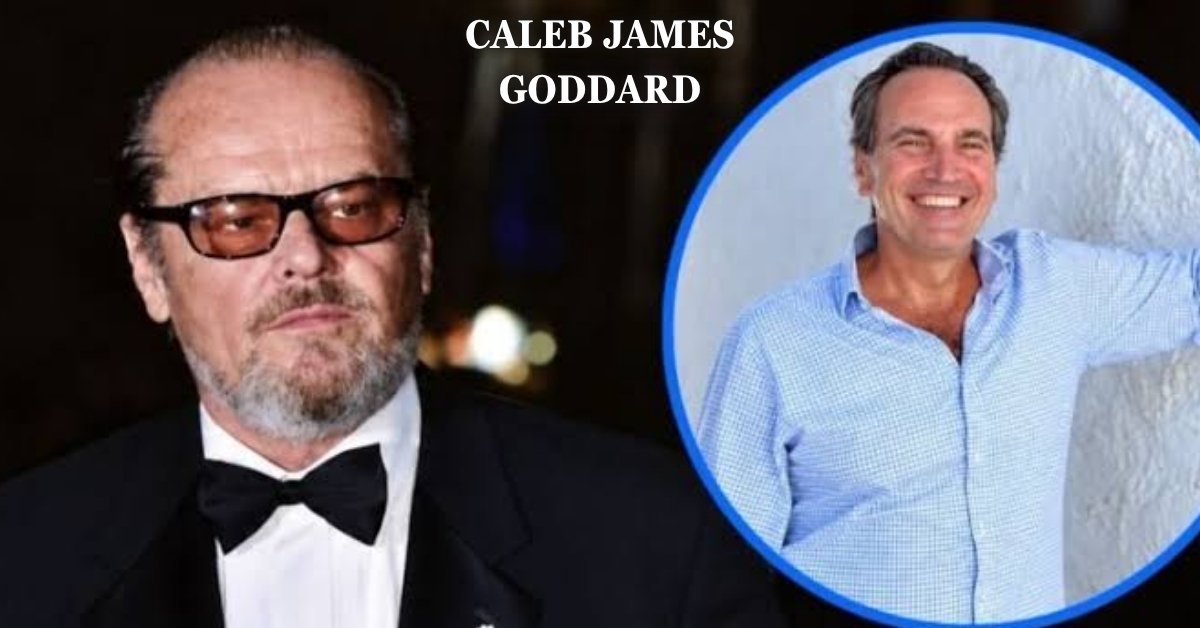
Caleb James Goddard at 56 and What Is Actually Confirmed

caleb james goddard

Caleb James Goddard is the son of actress Susan Anspach, was legally adopted by actor Mark Goddard, and is widely reported to be Jack Nicholson’s biological son, a claim Nicholson never settled publicly in a way everyone accepts. He was born September 26, 1970, so he turned 56 just days ago, yet several popular pages still list him as 55. Beyond the family story, the record points to a journalism career and, reportedly, a place in the U.S. Foreign Service. This page separates what’s documented from what’s merely repeated, so you can leave knowing which details to trust and which to hold loosely. The Short Answer Born in Los Angeles on September 26, 1970, Goddard is actress Susan Anspach’s son and the adopted son of actor Mark Goddard. Anspach said Jack Nicholson was his biological father, which Nicholson publicly denied. Goddard later worked in broadcast journalism and reportedly joined the U.S. Foreign Service. Who He Is and Where the Surname Comes From Susan Anspach met Nicholson on the set of Five Easy Pieces in 1970, and her son was born that September. By then she had married actor Mark Goddard in June, and the marriage lasted until October 1978. Anspach’s documented family history shows that Goddard adopted both of her children, which is why her son carries the Goddard surname rather than Nicholson. Her older child, Catherine Curry, was born in 1968 to a different father. The family story is what most searchers come for, yet Goddard has mostly stayed quiet about it since the 1990s. Anspach was the one who talked about Nicholson in interviews over the decades, and she died in 2018. That imbalance matters, because much of what circulates online is her account or someone’s paraphrase of it. The Nicholson Question, Stated Carefully The claim itself is simple. Anspach maintained that Nicholson fathered her son, and Nicholson denied paternity in public. Goddard told People in 1995 that Nicholson privately acknowledged him, and entertainment coverage now lists him as Nicholson’s oldest son, second child overall. Nicholson, though, has never publicly settled the matter in a way anyone can quote. That makes the accurate summary “reported son, publicly disputed, privately acknowledged by his own account.” I found no public DNA result in any of the coverage I reviewed, so pages that state paternity as settled fact are rounding off a messier record. Pages that flatly say Nicholson “never acknowledged” him are rounding in the opposite direction. What Is Documented and What Isn’t The table below sorts the most repeated claims by how solid they actually are. Claim Status Born September 26, 1970, Los Angeles Documented on Wikipedia Adopted by Mark Goddard Documented on Wikipedia Georgetown University, class of 1992 Widely reported Nicholson as biological father Claimed by his mother, publicly denied by Nicholson Foreign Service officer since 2012 Reported, traced mostly to one IMDb biography Net worth figures No source I could trace Why the Name Keeps Coming Up Part of the attention is simply Nicholson’s shadow. He holds twelve Oscar nominations, more than any other male actor, and every child of his gets searched sooner or later. Ray Nicholson, born in 1992 to Nicholson and Rebecca Broussard, starred in Smile 2 in 2024, which likely sent fresh curious readers looking through the family tree. Goddard’s story also stands out because it runs against the usual pattern. Most celebrity children who surface in search results stay in entertainment, while he reportedly moved toward journalism and then diplomacy. His Age, and Why Some Pages Are Already Stale Goddard was born September 26, 1970, so he turned 56 on September 26, 2026. Pages published earlier in the month that say 55 were right on the day they were written, but anyone reading them now gets the wrong number. As of September 29, 2026, he is 20,457 days old, counting the 14 leap days between 1970 and 2026. If you want to check any birthday the same way, working out an exact age from a birth date takes a few seconds. The date itself appears on Wikipedia’s entry for his mother, and one profile notes it isn’t confirmed in official public records, which is normal for a private citizen. I’d trust it, since it stays consistent everywhere, though many of those sources copy each other. Career, From Newsrooms to the Foreign Service Public biographies say he graduated from Georgetown University in 1992 and worked in broadcast journalism, with CNN, Bloomberg TV, and Yahoo! named most often. Earlier still, he is credited with location management on the 1991 film Guilty as Charged and a small acting credit tied to The Slap Maxwell Story. Those film credits are brief, and that’s exactly the point. The diplomatic chapter is reported from 2012, when he reportedly became a Foreign Service officer with the State Department. His IMDb biography lists embassy postings in Guinea, Thailand, Pakistan, Brussels, and Mauritius, and pages also mention a master’s degree from the London School of Economics. Nearly every site repeating these details traces back to that one biography, so “reportedly” is the honest word whenever you pass them along. The Timeline Mix-Up Behind Most Bios Search results describe him in two different jobs. Some pages call him a producer and writer in the film business, others call him a diplomat, and readers reasonably assume one of them is wrong. Neither is, really, because they describe different decades. The film credits sit at the start of his working life, around 1990 and 1991, journalism follows, and the diplomatic role is reported from 2012 onward. Templated pages lift one line from a bio and present it as a current job title, which is how “producer” survives on pages written years after it stopped being true. The better description today is reported U.S. diplomat and former broadcast journalist. Net worth ranges attached to his name deserve the same suspicion, since I couldn’t trace any of them to a real source. Why the Top Results Disagree So Much The first page of results is … Read more

zingyzon.com Is a Blog, Not a Shop, and 5 Checks to Run

zingyzon.com

Reviews of zingyzon.com mostly describe a content blog rather than a store, and this page sorts what’s actually confirmed from what’s repeated without proof. You’ll get a straight answer on safety, a clear read on what the site does and doesn’t do, and a short list of checks you can run yourself in five minutes. The topic matters because several near-identical review pages now disagree with each other about the same domain. Some call it a home and garden blog, others a multi-niche resource site, and a couple spend their time correcting the idea that it sells anything. By the end you’ll know how to decide whether to visit, read, or avoid it. The Short Answer zingyzon.com is a low-traffic website that reviewers most often describe as a content blog, not an online store. No public evidence proves it’s a scam, but ownership details are thin and its track record is short, so reading is low risk while entering payment details is not wise. What Reviewers Say the Site Actually Is Several reviewers who visited the site describe a content publisher that earns money from ads and article links, with no shopping cart, product listings, or checkout page. One audit calls it a WordPress blog covering home and DIY topics that only links outward to third-party services. A third labels it a multi-niche informational resource instead. The exact niche changes from review to review, but none of the write-ups that describe browsing the site report a working store. That matters because a site with no checkout can’t collect card details the way a fake shop does. Zingyzon.com Review: Is It Legit, Safe, and Worth Your Time? – Animal Best Names +2 Another way to read the evidence is to separate what holds up from what doesn’t. The list below does that with the sources available right now. Treat that third bucket with the most suspicion. A review that attaches an impressive-sounding statistic to a little-known site is often padding the page rather than informing the reader, and one untraceable number is a good reason to discount everything around it. Why So Many Near-Identical Reviews Exist Search for the domain and the first page fills with titles asking whether it’s safe, legit, or a scam. Many of them reach the same hedged conclusion, that the site isn’t proven to be a scam but lacks the reputation and transparency to be fully trusted, and several reuse almost identical headings and FAQ questions. Two of the pages in the results appear to be the same review published under different domain names. Reviews like these exist because the query has search demand, not because anyone has inside knowledge of the site. The practical takeaway is that the number of reviews tells you nothing about the site. Ten copies of the same cautious paragraph are still one opinion, and none of them include verifiable ownership records, purchase receipts, or complaint filings. Weigh a review by whether it shows evidence you could check yourself, such as a registration date or a screenshot of a page, rather than by how confidently it reaches a verdict. What the Automated Trust Checks Show Scamadviser’s automated check of the domain lists a valid SSL certificate and a safe rating from DNSFilter as positives, against low visitor numbers, a registrar shared with many low-rated sites, and unreliable websites hosted on the same server. Those are infrastructure signals. They say who the site shares a neighborhood with, not whether anyone there is acting in bad faith. Shared hosting is a good example of why these signals deserve a light touch. Plenty of legitimate small sites sit on cheap shared servers beside a few bad ones, and a blog owner usually can’t choose the neighbors. Another review cites a 68 out of 100 rating from Scam Detector, which it classes as moderate risk because of private registration and shared hosting. Private registration, for what it’s worth, is a standard option that many ordinary site owners use to keep a personal address out of public records. The Mistake Almost Everyone Makes With Sites Like This The common error is reading “not proven to be a scam” as “safe to trust,” and the reviews themselves encourage it. Almost every write-up lands on that same hedge, which sounds reassuring but only says the evidence is missing in both directions. A short history and thin ownership details make a site unknown, and unknown is a different category from both safe and fraudulent. A better question is what the site actually asks of you. A page you only read can’t do much harm, while one that asks for a login, an installed file, or a payment has moved from unknown to a real risk, and that’s where your decision belongs. Everything before that point is just reading. Extensions are a second place people slip up. Scamadviser reviewed a separate zingyzon.com.co address, and that report noted no SSL certificate could be identified for it. Nothing here proves the .co version is connected to the original, but lookalike extensions are a familiar way for unrelated sites to catch people typing from memory. Check the end of the address before you trust anything on the page. scamadviser Five Checks You Can Run Yourself in Five Minutes None of these need technical skill, and together they cover most of what the review pages gesture at without ever showing. The fourth check matters most for a site that earns from ads and article links, because the money is made when you click outward rather than when you stay. Redirects and affiliate tags aren’t illegal or even unusual, but they do mean the site’s incentive is to move you along. Treat every recommendation as an opinion to verify, not a verdict. Should You Visit It or Skip It Read it if you’re curious, with the same habits you’d bring to any small blog you’ve never heard of. The reviews point to informational posts, which is a low-risk activity as long as the pages … Read more

Is a yonopress.com Guest Post Worth $41.90?

yonopress.com

Here is what you need to know about yonopress.com, a general-interest blog that publishes on everything from MBBS scholarships to refrigerated containers and is also sold as a guest post placement on paid marketplaces. One marketplace listing for the site asks $41.90 for a published article with two backlinks, which works out to about $20.95 per link. This page explains what the site publishes, what that price covers, and where the risk sits for anyone buying. By the end you’ll be able to decide whether a placement there fits your goal, and you’ll know which questions to ask before any money changes hands. The Short Answer yonopress.com is a multi-topic blog that’s offered as a paid guest post placement. One marketplace listing prices an article with two permanent do follow links at $41.90, shows a domain authority of 0, and adds $47 for sports, iGaming or pharmacy topics. It’s a cheap placement, not a proven ranking boost. What yonopress.com Actually Publishes The homepage reads like a general-interest blog with no single subject holding it together. Recent posts cover scholarship funding for MBBS students in Russia, refrigerated containers, call centers, merchant services, building an auto parts ecommerce site, and a grocery store hours post labeled 2023-24. There’s also a post about a branded prescription medication, so the site carries pharmacy-adjacent content as well. That spread matters more than it sounds. Search engines judge a site partly by topical consistency, and a blog that jumps from study abroad to shipping equipment to payment processing gives a crawler very little to call a specialty. A reader who lands on one article has no obvious reason to open the next. For a business paying for a mention, that’s the gap between a placement that sends relevant visitors and one that mostly sits there. What I couldn’t find is just as telling. The searches run for this piece turned up no news coverage, no editorial masthead, and no independent write-up of the site, only marketplace listings that sell placements on it. That proves nothing bad, since plenty of small blogs are quiet by nature. But it means you’re judging the site almost entirely by what its sellers say, and seeing how other general-interest blogs organize their coverage gives you a useful yardstick for what a coherent topic mix looks like. Reading the Homepage as a Visitor Anyone typing the domain straight into a browser lands on a plain feed of article cards, each with a headline and a two-line teaser. In the text that loads, there’s no clear editorial focus and no visible sign of who runs the site. One teaser carries a 2023-24 date in its title, which hints that some content has been sitting there a while. Freshness affects how much attention a placement earns, so open a handful of posts and check their publication dates before deciding anything. If most of the recent posts are months old, the site isn’t being actively promoted or maintained, and a new article will arrive with very little surrounding activity. What the $41.90 Listing Actually Includes The marketplace listing spells out its terms, and they’re worth reading line by line before comparing them with any other seller’s offer. Here are the terms as listed. The same listing also offers article writing plus publication, and a link insertion option covering one backlink that’s subject to approval. Prices for those two options weren’t shown in the page text I could read, so ask the seller before assuming they match the base rate. The Cost Math Most Listings Leave Out Divide $41.90 by two links and each one costs $20.95. Add the $47 surcharge for the restricted niches and the same article lands at $88.90, which is roughly $44.45 per link. A simple percentage calculation shows the surcharge is about a 112 percent jump on the base price, and it adds neither a link nor a single extra word. Compare that with what the same money buys elsewhere. A link from a relevant page inside an established industry publication may cost far more, but it arrives with real readers attached, and that’s the number worth tracking, not the link count. On a general blog with a listed authority of 0, the realistic return is a mention you can point to, not meaningful referral traffic. Where People Go Wrong With Paid Dofollow Links The listing’s headline selling point is a “permanent dofollow backlink,” and that phrase causes most of the confusion. Dofollow isn’t an official HTML attribute at all, it’s just the informal name for a link with no rel value attached. Sellers lean on it because an untagged link can pass ranking signals in theory, so it sounds like the valuable kind. The trouble is that Google sees the same thing from the other side. Google’s spam policies list exchanging money for links, or for posts that contain links, as link spam, and the exception is a link qualified with rel=”nofollow” or rel=”sponsored”. A permanent, untagged, paid link is therefore the exact pattern the policy describes, and calling it an asset ignores that the buyer carries the risk. Why DA 0 Isn’t the Red Flag Everyone Thinks Domain authority is a third-party score created by Moz, and Google doesn’t use it. A reading of 0 can mean a site is brand new, barely scored, or lacking enough link data, and the listing doesn’t say which. So it’s a weak reason to reject a site on its own, but it’s also a reason not to treat the price as a bargain on authority. Who Could Still Reasonably Buy If your goal is a ranking lift for a competitive keyword, skip this one. Two untagged paid links on a site with no visible topical focus is a poor bet, and the downside lands on your domain, not the seller’s. If you need a low-cost, readable page that mentions your brand, say for a launch announcement or to show a client that coverage exists, the price is small enough to be … Read more

Is Simplifydiggs com Legit? 17 Topics, 4 Signals to Check

simplifydiggs com

Anyone typing simplifydiggs com into a search bar usually wants one straight answer on whether the site is worth reading or trusting. It’s a general-interest blog with 17 categories, uneven posting dates, and a few details that deserve a closer look before you rely on anything it says. I opened the live homepage, read the newest posts, and compared what I found with the reviews already circulating. By the end you’ll know what the site publishes, how often it really updates, which signals are worth checking, and how to judge its articles yourself. Nothing here is guesswork, since each point comes from pages you can open on your own. The Short Answer This WordPress blog, found at simplifydiggs com, publishes general articles across 17 categories, from automotive to travel. It’s free to read and appears to be a real, working site, but its irregular posting, single byline, and promotional-style articles mean you should verify anything important elsewhere. What the Site Actually Publishes Seventeen categories sit in the main menu, and together they read like a newsstand with no editor. Automotive, Business, Education, Entertainment, Fashion, Finance, General, Health, Lifestyle, Movies, Music, Online Game, Real Estate, Sports, Tech, Travel and TV all get a slot, even though the ten posts on the homepage touch only four of them. Those four are Automotive, Tech, Travel and Online Game, and the titles show the style well. You’ll find a numbered mistakes list about wireless sensor networks, a comparison of network security alternatives, a poker betting explainer, and a roundup of US college towns with strong food scenes. The wording stays plain, which is the site’s main appeal. Range comes at a cost, though. A single publication covering Finance, Health and Real Estate alongside TV and Music rarely has a specialist behind each shelf, and the generic phrasing of some titles hints at that. “How Much Should I Spend on Automotive Enthusiasts?” reads like a keyword dropped into a template, and the short preview beneath it talks about gift budgets instead. How Often Simplifydiggs com Really Updates Posting dates are where the site tells its own story. Of the ten posts listed on the first page when I checked, five carry the same date, June 16, 2023. The rest are spread thinly across September 2023, April 2025, two on March 31, 2026, and one on April 23, 2026. Eleven months separate the April 30, 2025 post from the March 31, 2026 pair, and the newest entry was more than five months old on October 1, 2026. That pattern looks like content published in batches rather than a steady editorial calendar. Some reviews describe the site as updated regularly, but the visible dates don’t back that up. For a lifestyle explainer, a stale date barely matters. For anything involving prices, regulations, health guidance or software features, a post that’s years old can simply be wrong, so check the date before you act on it. Signals Worth Checking Before You Trust a Page A few details on the homepage are worth knowing about, and each one is easy to verify yourself in under a minute. None of this proves anything improper, since guest posting is a common and legal practice. An independent review published in July 2026 raised the same worry about promotional wording in guest content, and I’d weigh that alongside what’s visible on the page. The practical point is that a post can look like neutral advice while quietly serving a business. Where the Site Is Genuinely Useful Criticism aside, plain wording is a real strength. A reader who wants a quick, jargon-free overview of how poker betting rounds work, or which US college towns have good food, gets a readable answer without wading through technical language. Short sections and descriptive headings make the posts easy to skim, and the page declares a mobile viewport so it adapts to small screens. Those strengths suit low-stakes curiosity. A traveler picking a weekend destination or a casual player learning betting order can use this kind of article safely, since a small error costs little. The same style turns risky when the subject is a loan, a diagnosis or a property purchase, because simple wording can hide missing nuance. Why So Many Pages Say the Same Thing About It Search for this name and you’ll notice that several top results share a shape, a definition, a features list, a pros and cons block and a safety verdict. A number of them never describe a single actual post from the site, and a few repeat the exact name in nearly every sentence. Their confident praise says more about how SEO content gets produced than about the site itself. The more careful write-ups reach a different tone. They describe a blog that feels broader than it is deep, with generic coverage and little visible information about who runs it. Having opened the homepage itself, I side with the careful reviews, because the dates, byline and category spread all match their description. The Legit Versus Reliable Mix-Up Most pages ranking for this search answer “is it safe?” with a mostly yes and stop there. That answer is fine as far as it goes, because the site loads over a secure connection, asks for no login, and sells nothing directly. But safe to open and safe to rely on are two different questions, and people blur them constantly. A site can be completely real and still be a poor source. Reliability depends on named authors with relevant expertise, dated and updated pages, cited sources, and a clear line between advice and advertising. On those measures this site is thin, so my honest position is simple. Read it for casual topics like travel or entertainment, and don’t build a health, money or housing decision on it without a second source. How to Judge Any Article Here in Five Minutes Google publishes its own list of questions for judging whether content is written for readers or for rankings, and it works as a … Read more

Pushwiki Com Reviews Disagree on What It Actually Is

pushwiki com

Search results for pushwiki com disagree about what the site even is, and that gap is the most useful thing to understand before you trust it. Four recent write-ups call it an SEO and blogging tutorial site, a tech and AI explainer, a general knowledge hub, and a guide to online tools. They cannot all be describing the same thing. This page lays out what the evidence says the site publishes and why it isn’t a wiki despite the name. You’ll also get quick checks that settle whether it’s worth your time. By the end, you’ll know how to verify any similar domain yourself. Short Answer Pushwiki com is a free, publicly readable article site, not a wiki, publishing short explainers on web skills, tech and business topics. Nobody outside its editorial team can edit pages. Reviews describe it as low risk to browse, but it rarely cites sources, so use it for orientation only. What the Site Appears to Be Pieced together from the write-ups that exist, the site is a WordPress-based publication of short, plain-language articles. Reading it requires no account, subscription or download. One review traces its launch to 2023 and puts the reading level around eighth grade, which matches the subheads and summaries most pages use. That makes it a category-based blog in practice, much closer to a topic explainer than to a reference work. The pitch is speed, since a reader can get oriented on an unfamiliar subject in a few minutes and then leave. The tradeoff is depth, which gets its own section further down. Why Reviews Disagree About What It Covers The four pages that describe its topics point in four different directions, and the differences are bigger than a matter of emphasis. Here is what each one claims. Three of the four lean toward web, tech and online tools, which is probably the safest read of the site’s center of gravity. The general knowledge framing is the outlier, and it’s also the vaguest. A plausible explanation for descriptions this loose is that writers worked from a quick homepage look rather than from reading weeks of articles, so treat each description as a claim you can check, not as settled fact. Who Gets the Most Out of It The reported audience is wide, which fits the loose topic coverage. Students meeting a subject cold, professionals who need a fast summary before a meeting, and founders scanning terms they keep hearing are the groups reviews mention most. The job is the same in each case, getting a first map of unfamiliar ground in a few minutes. Bloggers and beginners learning search basics make up the other group. One write-up says the site gives an introduction without burying readers in detail, which is a real advantage when the alternative is a long vendor guide. The cost shows up when you need a number, a rule or a legal detail, because that’s where a short unsourced page stops being enough. Why “Wiki” in the Name Misleads Readers The biggest misconception is that this site works like a wiki. A real wiki is a website where users collaboratively edit the content, the model Wikipedia runs at enormous scale, and nothing in the reported setup here matches that. Reviews say the public can’t edit anything, and one write-up states that adding content requires special access. The confusion happens because “wiki” has drifted into a loose label for any site that explains things, so the name promises community review and correction that isn’t there. Readers who assume those safeguards exist tend to trust pages more than they should. A second source of confusion sits in the search results themselves. A 2010 mailing list post from a researcher setting up a documentation wiki for the Push programming language, and a MediaWiki extension called Push that copies pages between wikis, both turn up for nearly identical queries. Nothing suggests either is related to this publisher, and push notification providers add yet another pile of unrelated results. One review also warns that more than one domain uses the PushWiki name, so read the address bar before trusting a page. Is It Safe to Open? Reviewers report no malware warnings, forced downloads or hidden redirects, and the site doesn’t ask for payment details or an account. That puts browsing risk low, in the same range as any ordinary article site. Low risk doesn’t mean reliable, though, and the two questions get mixed up constantly. Safety is about what a site does to your device. Reliability is about whether you can depend on what it says, and the picture there is thinner. A page can load cleanly and still contain an unsourced figure or a tool price that changed two years ago. Five Checks That Settle It Yourself These five checks take about five minutes and work on any unfamiliar publisher. The fifth check matters more than people expect, because plenty of small explainer sites share near-identical wording. If the same paragraph shows up on three domains, you’re reading a template, and the original author is nobody you can ask a follow-up question. Where It Falls Short, and What to Use It For Every review that mentions weaknesses lands on the same one, a lack of cited sources. Articles rarely name where a figure came from, which makes them impossible to audit. Quality also swings by category, with tool explainers reading well and finance or legal pages reading thin. So here’s the position. Use it for the first ten minutes of an unfamiliar subject, pick up the vocabulary, then move to something with a named source before you decide anything. Skip it entirely for medical, tax or contract questions, where an unsourced summary can cost real money, and check publication dates because tool features and pricing age fast. A good yardstick for any explainer is how it handles its numbers, and it helps to read a few plain-language explainers on everyday topics and notice which ones tell you where their figures came from. … Read more