
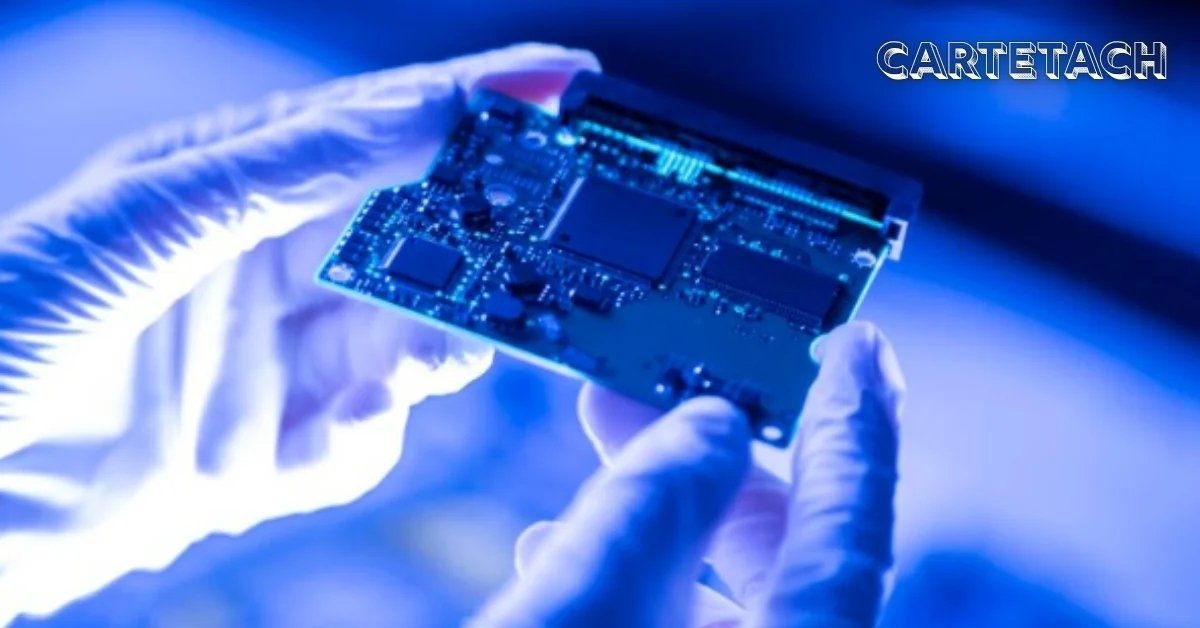
Cartetach refers to an emerging smart card and digital identity concept that combines payment, access, and authentication functions into a single secure device. This guide explains what the term actually means right now, how the underlying technology is supposed to work, and where it fits alongside systems you already use every day. You will also see exactly why so many people searching for cartetach end up with conflicting explanations, and what the honest, grounded version of the concept looks like once the marketing language is stripped away. By the end, you will know precisely what to trust and what to treat with caution the next time you come across the word.
Quick Answer
Cartetach is a coined term for a proposed smart card system that merges identity verification, payment authorization, and access control into one encrypted, NFC enabled card. It is not yet a standardized product or an established industry category, so treats any specific claim about it as speculative rather than confirmed.
What Cartetach Actually Means Right Now
Search around for cartetach and you will find several articles that each describe it differently, one calls it a project management app, another calls it a data visualization dashboard, and a third calls it a workflow platform. That inconsistency is itself the most useful clue about where the term stands today. When a name means five different things depending on which page you land on, it almost always signals a concept that has not yet been standardized, built, or adopted by any recognized authority. The version tied most consistently to real technical language, encryption, tokenization, NFC, secure elements, is the smart card and digital identity framing, which is why this guide focuses on that interpretation rather than the others.
Under that framing, cartetach describes a single physical or virtual card designed to replace the handful of separate cards most people carry for banking, workplace access, transit, and loyalty programs. The idea borrows directly from real, already deployed technology rather than inventing something new from scratch. Multi-application smart cards have existed in banking and government identity programs for over two decades, so the concept itself is grounded even if the specific name is new and unverified.
How the Concept Is Supposed to Work
The technical description attached to cartetach follows a pattern that will feel familiar if you have used a contactless bank card or a tap-to-enter office badge. A tamper resistant chip, sometimes called a secure element, stores cryptographic keys and personal credentials in an isolated part of the card’s memory that ordinary software cannot read directly. When the card is held near a compatible reader, it communicates over near field communication, the same short range wireless standard used by contactless payment terminals, and exchanges encrypted data that confirms identity or authorizes a specific action.
What separates this proposed system from a single-purpose card is the idea of assigning multiple applications to one chip. A single cartetach style card could theoretically hold a payment application, a building access credential, and a government issued identity token side by side, each isolated from the others through separate cryptographic keys. This is not science fiction; the FIDO2 authentication standard and government issued smart identity cards already use similar layered security models, just without combining quite this many functions into one physical object. The gap between the described concept and a functioning, certified product is where most of the uncertainty lives.
Where Cartetach Could Realistically Be Used
If a system like this were built and certified, the most obvious early use case would be corporate campuses that already issue combined access and payment badges for cafeterias, parking, and secure doors. Universities are another realistic fit, since many already run one card system for dorm access, library checkout, and meal plans, and a cartetach style upgrade would mainly mean adding stronger encryption and possibly banking integration on top of infrastructure that already exists. Public transit authorities in cities that have adopted contactless fare cards would also be a natural extension point, since the hardware and reader networks are frequently already in place.
Healthcare identity verification is sometimes mentioned in discussions of this concept, and while the security requirements there are far stricter, the underlying logic of one verified credential replacing several separate ones is not unreasonable. None of this means a cartetach product currently exists in any of these settings. It means the described technology overlaps with problems these industries are actively trying to solve, which is exactly why a coined term describing that overlap tends to spread quickly online even before anything real has shipped.
What Most People Get Wrong About Cartetach
The biggest misconception is treating cartetach as an existing, purchasable product with a company behind it, a release date, or a certification body backing its claims. None of the current sources point to a registered company, a filed patent, or a working demonstration, and that absence matters more than any individual description of its features. The confusion happens because the articles describing it use confident, specific language, encrypted chips, tokenization, NFC antennas, that mirrors how real product documentation reads, which makes an unverified concept feel established even when it is not.
The correct way to understand cartetach today is as a name attached to a plausible idea rather than a finished technology. Multi-application smart cards, tokenized payments, and encrypted digital identity are all real and already deployed by companies like Apple, Google, and national governments running e-ID programs. Cartetach appears to be a term describing that general direction rather than naming one specific system within it, and readers researching it for a purchase decision or a technical integration should not treat any single source’s feature list as verified fact.
Cartetach vs Existing Smart Card and Digital ID Systems
Compared to established systems, the theoretical gap is smaller than the name suggests. EMV chip cards already use secure elements and tokenization for payment. FIDO2 and passkeys already provide phishing resistant authentication without passwords. National eID cards in countries like Estonia and Belgium already combine identity verification with digital signature capability on a single chip. What a cartetach style system would add, if it were actually built and certified, is consolidation, folding payment, access, and identity into one card instead of three or four separate ones issued by different organizations.
That consolidation is also where the real difficulty sits. Payment networks, government identity authorities, and private access control vendors all operate under different regulatory frameworks, and getting them to trust a single shared credential is a governance problem as much as a technical one. Estonia’s national eID system took years of legal and institutional coordination to reach the trust level it has today, and it still covers only government and select private services rather than open ended multi-industry use.
The Real Challenges Standing in the Way
Beyond governance, there are practical security concerns that any real version of this concept would need to solve before adoption. Combining multiple sensitive functions onto one physical card raises the stakes if that card is lost, cloned, or compromised, since a single failure point could expose payment, workplace, and identity credentials simultaneously rather than just one. Existing multi-application smart cards address this with strict cryptographic isolation between applications, and any legitimate cartetach implementation would need the same safeguard, independently audited rather than simply claimed in marketing copy.
Regulatory certification is the other major hurdle. Payment functionality alone requires PCI compliance and network approval from providers like Visa or Mastercard, government identity functionality requires approval from national authorities, and each added function multiplies the compliance burden. This is precisely why genuinely multi-purpose secure ID systems remain rare even though the underlying smart card technology has existed in mature form for decades. The engineering is largely solved; the institutional trust required combining functions under one issuer is not.
What to Watch Next
If cartetach moves from a coined online term toward something real, the signals to watch for are concrete rather than descriptive. A named company or consortium behind it, a filed patent application, a pilot program with a university or transit authority, or a security audit from a recognized firm would all indicate the concept has moved past the speculative stage. Until one of those markers appears, the most useful thing to do with the term is treat it the way you would any unverified tech buzzword, understand the real technology it borrows from, and hold off on treating any specific product claim as fact. For readers who enjoy tracking how terms like this get defined and redefined online before settling into something concrete, similar breakdowns of trending and easily confused search terms are covered regularly on the Numberble blog.
Conclusion
Cartetach is best understood as a name attached to a real and reasonable idea, consolidated smart card identity, rather than a confirmed product you can research further and trust outright. The technology it describes already exists in pieces across banking, government eID, and passwordless authentication systems. The next time you see it, check for a real company, a patent, or an audit before treating any specific claim as settled.