
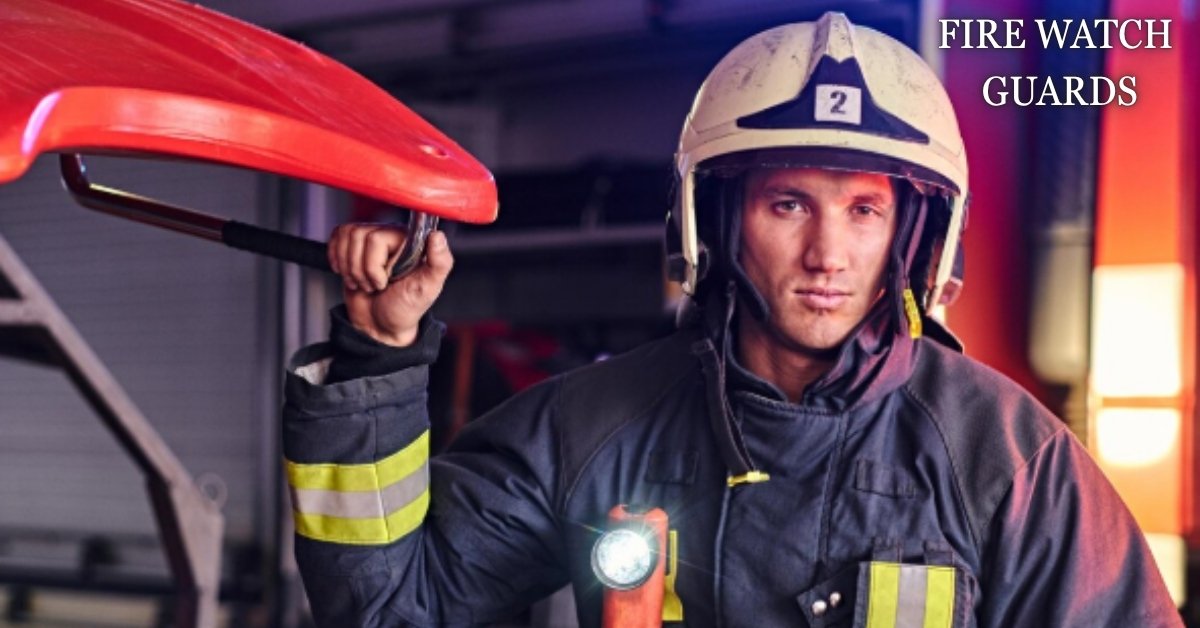
A fast fire watch company service is crucial, especially in protecting occupied buildings. The company has a team of fire watch guards keeping occupied buildings safe from potential fires during emergencies.
Role of fire watch guards
A fire watch guard is a trained professional who knows about monitoring and safety standards for a building. They are important in the presence of:
- flammable materials
- heat-producing equipment
- compromised fire suppression systems
Fire watch guards are there to assist during the repair of:
- electrical systems
- gas lines
- dangerous work environments
There is a high risk of what triggers to ignite a fire. Fire watch guards assist in evacuation procedures for immediate action.
Essential during emergency repairs
The potential for fires increases during emergency repairs in occupied buildings. There are several factors contributing to this heightened risk:
- Flammable materials
- Temporary electrical systems
- Heat-Producing equipment
Responsibilities of fire watch guards
Fire watch guards have responsibilities to ensure the safety of buildings under emergency repairs.
Continuous monitoring
Fire watch guards are on-site and remain vigilant. They are watching for any signs of potential fire hazards.
Inspection of fire safety equipment
They ensure fire safety tools are functioning properly, such as:
- fire extinguishers
- fire alarms
- sprinkler systems
Reporting hazards
The fire watch guard reports any detected fire hazards to the building’s management and the repair team.
Emergency response
Fire watch guards take quick action. They alert others and perform evacuation procedures if needed.
Fire watch logs
The log includes:
- fire watch times
- observations
- any corrective actions taken
The records are very useful for an inspection or insurance claim.
Fire watch guards vs. Fire prevention systems
You will learn the differences between fire watch guards and fire prevention systems in the table below:
| Aspect | Fire Watch Guards | Fire Prevention Systems |
|---|---|---|
| What they are | Trained personnel who monitor a property for fire hazards | Equipment and technology detect, prevent, or control fire risks |
| Main purpose | Provide active human monitoring and quick response to potential fire incidents | Detect fire threats and help reduce or control fire damage |
| Monitoring | Guards continuously patrol and observe the property | Systems monitor areas automatically using sensors, alarms, and other devices |
| Response | Can immediately investigate hazards, alert occupants, and contact emergency services | Can trigger alarms, alerts, sprinklers, or other automated responses |
| During system failure | Can continue monitoring even when alarms or other fire systems are unavailable | May not function properly during power, equipment, or maintenance failures |
| Identifying hazards | Can notice blocked exits, smoke, sparks, hot work, unsafe storage, and other visible risks | Sensors primarily detect specific conditions such as smoke, heat, or flames |
| Human judgment | Can assess situations and make decisions based on what they observe | Follows programmed functions and automatic detection settings |
| Patrolling | Physically checks different areas of a building or site | Usually monitors designated areas through installed equipment |
| Best use | Useful during fire system maintenance, construction, hot work, or when required fire protection systems are temporarily unavailable | Useful as a permanent part of a property’s overall fire safety setup |
| Maintenance | Requires trained personnel to remain on-site according to the required schedule | Requires inspection, testing, maintenance, and periodic servicing |
| Cost structure | Usually involves an hourly or scheduled service cost for personnel | Involves installation, equipment, testing, and ongoing maintenance costs |
| Key advantage | Provides human observation and immediate communication when a hazard is found | Provides continuous automated detection and fire protection |
| Limitation | Human monitoring can be affected by fatigue, visibility, or site conditions | Equipment can malfunction or fail to detect hazards outside its designed detection range |
FAQs
Are fire watch guards required during all repairs?
Fire Watch Guard is required to ensure safety if the repair work involves:
- flammable materials
- electrical systems
- heat-producing equipment
How long does a fire watch guard stay on-site?
A fire watch guard stays depending on the duration of the emergency repair work.
What will a fire watch guard do after identifying a fire hazard?
A fire watch guard who identifies a fire hazard immediately reports it to the building management and repair team.