Admin - Numberble - Page 2 of 7

Target Company URL Research That Survives Domain Changes

target company url research

Turning a list of company names into verified website addresses is slower and messier than it sounds, and most guides stop at the part that was never hard. This piece covers target company URL research from both ends: how to find a candidate domain, how to prove it belongs to the company you actually mean, and what changed in early 2025 that quietly broke the verification method older guides still recommend. You’ll come away with a repeatable process, the specific signals that confirm ownership, a realistic view of what bulk lookup tools can and can’t do, and a maintenance routine that stops a clean list from rotting six months later. The Short Version Target company URL research is the process of finding a business’s official website from its name, then confirming that the domain genuinely belongs to that company. The finding part takes seconds. The confirming part is where lists break, because a wrong domain poisons every contact, firmographic, and CRM record built on top of it. What “Target Company” Means Here In B2B work, a target company is any business on your list: a prospect, an employer you’re applying to, a competitor you’re tracking, an acquisition candidate. The phrase has nothing to do with Target Corporation, the American retailer, though that ambiguity sends a steady trickle of the wrong searchers to these pages. If you did want the retailer, its corporate information sits at corporate.target.com rather than the shopping site. Sales teams hit this task most often, but they’re not alone. Recruiters need career page URLs. SEO consultants need domains before they can run any audit. Market researchers building a sector map need one canonical domain per company so their counts don’t double up. Analysts screening for deals need the operating company’s site, not a holding company shell. The Process That Holds Up at Scale Doing this for three companies is intuition. Doing it for three hundred requires an order of operations you don’t deviate from. Step five is the one people skip, and it’s the one that saves you later. When someone asks why the outreach went to the wrong firm, a status column tells you whether the domain was checked or guessed. The signals that actually prove ownership A domain is confirmed when several independent things agree. The site’s footer should carry the legal entity name, not just the brand. The LinkedIn company page should list the same domain. Registered address and country should match what you have. Email addresses published on the contact page should use that domain rather than a Gmail or a different company’s domain. Watch what redirects do, because they’re informative in both directions. A domain that redirects to a parent company’s site tells you the subsidiary was absorbed. A domain that redirects to a parked page or a registrar holding page tells you the business may be gone. For US public companies, filings settle the question outright. Company filings on SEC EDGAR carry the registrant’s official name, address, and usually the corporate website, which beats any third-party database for accuracy. Why the WHOIS Trick Stopped Working Older guides on this topic almost all suggest running a WHOIS lookup to see who owns a domain. That advice is now out of date on two counts, and it’s the single biggest gap across the pages currently ranking for this keyword. The first problem is GDPR. Since 2018, registrant names and contact details for domains connected to the EU and UK have been redacted by default, so the record you get back usually shows a privacy service rather than a company. The second is structural. ICANN sunset the WHOIS protocol for generic top-level domains on 28 January 2025, replacing it with RDAP, which returns structured JSON over HTTPS instead of plain text. Registries and registrars are no longer contractually required to run WHOIS at all. Many still do, and country-code domains like .co.uk or .de sit outside that requirement entirely, so both systems will coexist for a while yet. What this means practically: registration data is still useful for checking a domain’s age and whether it’s about to expire, but treat it as a supporting signal. Use ICANN’s own lookup service, which queries RDAP by default, and stop expecting a company name in the registrant field. Where People Go Wrong With This The widespread mistake is treating the first search result as the answer. Search engines rank by relevance and authority, not by corporate ownership, so the top result for a company name is often a directory listing, a Crunch base profile, a LinkedIn page, a review site, or a better-optimized competitor with a similar name. Two specific traps catch people repeatedly. The first is the brand-versus-entity gap: a legal entity called Harbor line Holdings Ltd may trade entirely as a brand with a different name and domain, and searching the legal name alone finds nothing useful. The second is the regional split, where a company runs separate sites per market and you record the wrong one, so your contacts sit in the wrong time zone and your firmographics describe the wrong subsidiary. There’s also a quieter error worth naming. Some businesses genuinely have no website, only a Facebook page or a Google Business Profile. Recording a lookalike domain for these is worse than recording nothing, because a blank cell is honest and a wrong domain looks finished. Bulk Tools and What a Match Score Is Telling You Free bulk lookup tools exist for exactly this task, and they work well as a first pass. Typical setups take up to 25 names per run, remove legal suffixes automatically, return a domain plus a confidence score and alternative candidates, and export to CSV. Some add a careers page finder that predicts common URL patterns, which saves recruiters a click per company. A match score is string similarity plus database confidence. It is not verification. High scores mean the name matched cleanly; they cannot tell you whether the matched company is your company. Spot-check every high-confidence … Read more


Synchronize Meaning in 4 Contexts, Plus the Drift Problem

synchronize

This page explains what synchronize means in the four ways people actually use it, from wristwatches to phone folders. It also covers the spelling split that trips up writers and the syncing-versus-backup confusion that quietly costs people files. Along the way you’ll see why two things you’ve matched up start drifting apart the moment you stop checking. The core idea is simple, since the word describes making things match in time or in content. What most definitions skip is that a match never lasts on its own. By the end you’ll use the word precisely and know when a sync has stopped doing its job. The Short Answer Synchronizing two or more things means making them happen at the same time or at the same rate. It can also mean making them match in content. People use it for setting clocks, lining up sound and picture, timing movements, and keeping files identical across devices. Four Meanings, With an Example of Each Dictionaries split the word into several senses, but four of them cover most of what you’ll run into. Engineers treat the idea as a field of its own, and the encyclopedia article on coordinating events so a system operates in unison opens with an orchestra conductor keeping players in time. That image works well as a mental anchor for everything below. The first, second and fourth senses are about timing, while the third is about content. A synced folder doesn’t have to change at the same instant as its twin, it only has to end up holding the same files. Keep that split in mind, because the two kinds of synchronizing fail in different ways, and each failure has its own section below. Why Two Matched Watches Never Stay Matched Set two watches to the same second and they’re synchronized for exactly as long as their crystals keep agreeing, which isn’t long. Cheap watch crystals are often rated around 20 parts per million, and that’s a fair stand-in for plenty of consumer clocks. Turning the rating into daily seconds is just percentage math, since 20 parts per million is 0.002 percent, and 0.002 percent of the 86,400 seconds in a day is about 1.7 seconds. The Two-Watch Arithmetic A watch that gains or loses 1.7 seconds a day is no trouble until you compare it with another one. If one runs 20 parts per million fast and the other runs 20 slow, the gap between them grows at 40 parts per million, which is about 3.5 seconds a day. After a 30-day month, the two watches you carefully matched at four o’clock would disagree by about a minute and 44 seconds. That’s worst-case arithmetic, not a measurement, and many decent watches do far better. Temperature nudges a crystal’s rate too, so even a good watch behaves a little differently in a cold pocket than on a warm wrist. Whatever the exact numbers, the gap only grows until somebody resets it, so any plan that depends on matched clocks needs a re-check built in. How Computers Keep Correcting Themselves Computers face the same problem and solve it by resynchronizing constantly. Many devices use the Network Time Protocol, which repeatedly asks a more accurate clock for the time and adjusts the local one to match. Over the public internet that typically holds time to within tens of milliseconds, and on a local network under ideal conditions it can beat one millisecond. At the top of the chain sit reference clocks such as GPS receivers and atomic clocks, and each level below copies the level above it. Accuracy slips a little at every level and with every extra stretch of network between you and the server, which is why a nearby server beats a distant one. The trick isn’t owning a perfect clock but checking again on a schedule. A Practical Way to Synchronize Two Watches Most people match watches by eyeballing them, which quietly passes one watch’s error to the other. A better method sets every watch against a single shared reference, such as a phone clock that gets its time from the network. The steps below assume analog watches with a crown. The Sync Mistake That Costs People Files A lot of people treat a synced folder as a backup, reasoning that a file living on a laptop and a phone as well as in the cloud must be safe. That feels right because the file really does exist in three places. The catch is that sync software has one job, which is making every copy identical, and it applies that job to mistakes just as faithfully as to good edits. Delete a file on one device and the deletion usually travels to the others. Save over a document by accident, or let ransom ware scramble a folder, and the damaged version can replace the good one everywhere within moments. Many services keep deleted files or earlier versions for a limited time, which can rescue you, but that’s a recovery feature added on top of syncing, not part of it. Conflicts are the other quiet failure. If two devices edit the same file while one of them is offline, the service has to pick a winner or keep both versions, and the winner isn’t always the one you’d have chosen. Some services save a second copy with a conflict label instead of overwriting, which is safer but leaves you to merge the two by hand. The correct mental model is that syncing protects you from a lost device, while a backup protects you from a lost decision. If a laptop is stolen, your files are still in the cloud and on your phone. If you delete the wrong folder on Tuesday, only a backup with history, kept somewhere that doesn’t mirror your changes, gets it back on Friday. Mirroring is not the same as remembering. Synchronize or Synchronise, and Where the Z Comes From Both spellings are correct, and the difference is regional rather than a change in meaning. … Read more

A Third of maluchyirodzice.pl Is Baby Names, Not Advice

maluchyirodzice.pl

Here’s a straight check of maluchyirodzice.pl, a Polish parenting portal, based on what its own pages reveal about who owns it and what actually fills the archive. Most of it is ordinary family content and some of it is useful, but sponsored posts and anything touching health, benefits, or the law need a second source before you act on them. A friendly tone and a confident tagline don’t prove that anyone qualified checked the details. By the end you’ll know what this site is good for and where it needs a second opinion, plus a two-minute routine for checking the rest. The Short Answer on maluchyirodzice.pl It’s a real, active Polish parenting portal owned by a named individual, and it works well for baby names and product ideas. Sponsored posts exist, and the one reviewed here flagged itself only at the bottom, so health, benefits, and legal pieces need checking against a doctor or official source. What This Portal Actually Is The site is a Polish-language WordPress blog that presents itself as a portal for parents and for people expecting a baby. Its homepage sorts articles into themed sections, from upbringing and child health to sport, recipes, and a large baby name database. The terms of use name a private individual, Gabriela Adamkiewicz, as the owner, which points to an independently run blog rather than a media company. Posts carry her byline, and a short bio under each one says she has written content for over ten years, five of them as blog articles. Files in its media library sit in a December 2024 folder, and the earliest dated post found here is from February 2025, so maluchyirodzice.pl is less than two years old. New articles keep arriving every few weeks, with the latest dated one going up on 1 September 2026. Contact details are thin but real, an editorial address on ZÅ‚ota Street in Warsaw and an Outlook mailbox rather than one on its own domain. Nothing found during this review suggests a scam. The terms of use and privacy policy pages exist, and a cookie banner covers analytics and advertising. One gap stands out, because the author page linked from the homepage banner returned a not-found error when checked, which leaves the short post bio as the only public profile. What the Section Counts Reveal Every page footer lists an article count per section, and those numbers describe the site more honestly than its slogan does. They also show how uneven the archive is, since one shelf dwarfs the rest. The tally as displayed runs as follows. Those eight figures add up to 780 entries, although a post filed under two sections is counted twice, so treat the total as approximate. Baby names alone make up 270 of them, or roughly 35 percent. The four sections closest to real parenting advice, which are upbringing, child health, play and education, and daily parent life, total 271, almost exactly the same as the name pages. That balance shapes how the site behaves in search. The sitemap shows name pages covering the meaning and origin of one first name plus its name day, and pages like that tend to be quick to produce and to draw steady traffic from people who came for a name, not for guidance. A reader expecting a pediatric resource may be surprised that the biggest shelf is closer to a name dictionary. The ninth section, celebrities, is the odd one out. Celebrity biography titles show up among the site’s own page listings, and an article about a law firm’s client ratings sits under the celebrity path in its web address. Brand and archive drifting apart is common on general-interest blogs, and one tech-branded site that turned out to publish celebrity net worth stories shows how far the gap can grow. The gap here is milder, since a real parenting core still exists. How Sponsored Posts Show Up On the homepage, a block titled ArtykuÅ‚y partnera, meaning partner articles, is easy to spot. Inside individual posts the picture is murkier. A recent article on adenomyosis and fertility names a specific clinic in its title, links to that clinic’s own pages, and only says ArtykuÅ‚ sponsorowany, meaning sponsored article, after the final section. A reader who leaves at the second heading never sees that label. The article also sits in the child development and health section even though its subject is an adult gynecological condition, a pattern common with partner content that gets slotted wherever the topic loosely fits. Titles naming a specific stroller model and a jeweler read the same way, though the label was only confirmed on the clinic piece. Google’s guidance asks publishers to mark paid links with the sponsored value, yet that attribute is invisible to readers and no substitute for a visible disclosure. Placement matters for people, and a label at the very bottom does the least work for exactly the readers most likely to act on a medical article. Until a page proves otherwise, treat any article that names a clinic, brand, or product in its title as promotional. The Tagline Is Not a Review Process The slogan promises reliable knowledge in an accessible form, and the layout is clean, so many readers assume each article passed through an editor with subject expertise. That assumption is where people go wrong. The author bio describes a professional content writer, not a clinician, lawyer, or pediatric specialist, and the article opened for this review carried no reviewer credit or source list a reader could open. None of that is unusual for a small independent blog. It does change how you should read a page on fever, teething, or child support. A full category menu and a tidy layout tell you very little about whether anyone fact checked a given article, a lesson that holds across most general-interest sites. Titles deserve the same scrutiny. An older post on the childhood vaccination schedule is headlined with a promise of shocking reports, which is not how … Read more

Fingers Crossed Meaning and Where the Gesture Backfires

fingers crossed meaning

You’ll leave this page knowing what people intend when they say they’ve got their fingers crossed and where the habit came from, plus the real trouble it can cause abroad. The short version of the fingers crossed meaning is hope for a good outcome that isn’t in your hands. The longer version involves two competing origin stories, a famous psychology experiment that didn’t hold up, and countries where the same hand shape says something far less friendly. Read on and you’ll be able to use the phrase naturally and retell its history, with a clear sense of when to keep your hands flat. The Short Answer Fingers crossed means you’re hoping something turns out well and can’t control the result. People literally cross the index and middle fingers, or just say the words, to wish for luck for themselves or someone else. In some countries the same gesture signals a lie or an insult. The Fingers Crossed Meaning in Everyday Speech Say you’ve got your fingers crossed and you’re admitting two things at once. You want a particular result, and you know effort alone won’t deliver it. That second half explains why the phrase turns up before job interviews, medical results, flight delays and lottery draws, and almost never before things you fully control. Stakes can be tiny or heavy, and the tone shifts with them. Hoping the rain holds off for a picnic sounds light, while keeping your fingers crossed that a relative recovers carries real weight, which is why a softer voice often goes along with it. It works in both directions, since you can promise to keep yours crossed for a friend or ask them to keep theirs crossed for you. The grammar is forgiving, since fingers crossed can introduce a full clause (fingers crossed that the bus is on time) or attach to a noun (fingers crossed for good news), and it works as a complete reply on its own. You’ll also hear it stretched to fingers and toes crossed when someone wants to sound extra hopeful. A few lines like these show how it sounds in daily speech. Where the Gesture Came From Nobody can pin down the birth of crossed fingers, and anyone who names a single inventor is guessing. The written idiom came much later than the gesture, with dictionaries placing its recorded use in the early 1900s. The documented history of the gesture shows it gaining traction in sixteenth-century England, where people crossed their fingers to ward off evil and ill health. Theory One, a Wish Shared by Two People The older story is pre-Christian and starts with two people rather than one. In this version, a pair of people crossed their index fingers to form a cross that stood for perfect unity. The crossing point was thought to gather good spirits and hold a wish in place until it could come true. Over time people realized they could do it alone, first with two index fingers and later with the one-handed version we still use. Theory Two, a Quiet Sign Among Persecuted Christians Early Christians were persecuted and needed quiet ways to recognize one another, and that’s where the second story begins. One version has them forming the ichthys fish symbol by touching thumbs and crossing index fingers, while another says a tiny cross made with the fingers could protect a believer from evil and be made in secret. Historical accounts add that the gesture was often paired with a spoken blessing asking for God’s company. Neither version fully explains how luck got attached. The fish story in particular says little about wishing, though it fits a gesture that once asked for a blessing rather than predicted a win. The honest answer about which one is right is that nobody knows, because gestures leave little written trace, and folk habits usually pick up meaning from several directions at once. Same Hand Shape, Different Message Abroad Travelers tend to assume crossed fingers translate everywhere, and that assumption is where the trouble starts. Several regions read the same hand shape differently. The list below shows how far the meaning shifts. Children use the same shape for a different purpose, crossing fingers behind the back while telling a white lie, on the belief that it excuses the fib. The practical rule is easy enough. Say the words in English if you like, but skip the hands abroad unless you know the local meaning. What the Famous Fingers Crossed Study Actually Showed A popular claim says psychology has proven that crossing your fingers improves performance. The confusion starts with a 2010 paper from the University of Cologne titled Keep Your Fingers Crossed! How Superstition Improves Performance, whose abstract lists keeping one’s fingers crossed among the good-luck actions that boosted results on golf, dexterity, memory and anagram tasks. Headlines and listicles did the rest. The best-known number comes from a golf task, and that task involved a lucky ball, not crossed fingers. Participants told their ball had been lucky sank 65% of ten short putts, against 48% for controls. The finger-style ritual appeared in a separate dexterity task, where the experimenter told some participants “I press the thumbs for you,” the German equivalent of wishing luck. Later work has shaken that result. Two high-powered replications of the golf experiment found that participants told they had a lucky ball performed almost identically to controls, and a meta-analysis found no effect among the studies with the strongest designs. That doesn’t disprove every task in the original paper, but it means nobody can treat the paper as proof that the ritual works. The correct reading is more modest. Crossed fingers are a free social ritual that may steady a nervous person, and the original authors pointed to a rise in confidence as the mechanism, not any supernatural nudge. That matters if you’re tempted to lean on the gesture instead of preparing, because the wish can support your effort but won’t replace it. Texting, Emailing and the Crossed Fingers … Read more

Quick10sec com Is a Real Blog, Not a Tool or Scam

quick10sec com

Quick10sec.com is a WordPress blog run under a single byline, publishing short articles on business, finance, technology, and a handful of other everyday topics. That’s the plain answer, and by the end of this page you’ll know exactly what the site publishes, who’s behind it, how long it’s actually been active, and whether the pages showing up in your search results are worth your time. Most write-ups about quick10sec.com describe it in vague, guessing language, calling it a “digital platform” or an “informational hub” without ever actually opening the site. This one does the opposite. Every claim below comes from checking the real pages, the real archive dates, and the real author records. The Short Version Quick10sec.com is a small WordPress blog covering business, finance, technology, automotive, and travel topics under a single byline, with no visible company backing. It has published on and off since March 2024 and works as an ordinary content site, not the instant-answer tool its name suggests. What Quick10sec.com Actually Publishes Open the homepage and you’ll find a fairly ordinary WordPress site, not a calculator, app, or speed-reading tool. The navigation lists seven categories: Automotive, Business, Education, Finance, Sports, Technology, and Travel. Recent posts include practical business explainers like “Choosing the Right System for Employee Compensation” and “How to Improve Your Resume for High-Level Accounting Positions,” alongside straightforward definitional pieces such as “What is Human-Computer Interaction” and “What is Biotechnology?” None of it is breaking news or original reporting. It reads like general-interest content written to rank for broad, high-search-volume phrases rather than to serve a specific returning audience. There’s a small inconsistency worth flagging here, and it’s one none of the existing write-ups about the site mention. The footer widget lists a different category set than the main navigation, dropping Education and Sports in favor of one called Online Game. That kind of mismatch usually shows up when a theme’s default widgets never got fully updated to match the site’s actual content plan. It’s a minor detail, but it’s the sort of thing you only notice by browsing the actual site rather than summarizing what other articles already guessed. What Each Section Actually Contains Who Writes It and How Often Every post on the site carries the same byline, a writer listed only as Roland. The author page’s web address uses a different name entirely, brijesh, which is a common leftover from sites built on a shared template where the author account was never renamed to match the public-facing byline. There’s no bio, credentials, or background given for Roland anywhere on the site, which makes it hard to verify who’s actually writing these articles or what expertise backs them. The archive record tells its own story. Posts go back to March 2024, then the trail goes quiet until January 2025, a gap of roughly ten months with nothing published at all. Activity picks up through most of 2025 with a smaller gap that spring, and the most recent post on file is dated February 2026. That stop-start pattern is typical of sites built primarily to hold search rankings rather than to serve a loyal, returning readership. Why the Name Confuses So Many Searchers The name is doing a lot of work it can’t back up. “Quick10sec” reads like a promise, information in ten seconds, and several existing write-ups about the site run with that idea, describing it as a fast-reading platform built for instant answers. Nothing on the actual site supports that framing. The articles run to normal blog length, several hundred words with full paragraphs, and there’s no feature anywhere on the site that delivers information faster than a standard blog post would. The confusion seems to come from taking the domain name literally instead of checking what the pages actually contain. Is It Safe to Read and Link To Nothing on quick10sec.com raises a security red flag in the traditional sense. The site runs on a normal WordPress installation, has a privacy policy, a DMCA policy, and an editorial policy page, and there’s no sign of malware warnings or deceptive pop-ups. The bigger caution here is about the content itself rather than the technology behind it. The site’s own About section describes itself as a “digital intelligence portal built for information velocity,” language that sounds impressive but doesn’t say who owns the site, where it’s based, or what qualifies one writer to cover finance, technology, and biotechnology under a single byline. Combined with the social media icons in the footer, which all point back to the homepage instead of real Facebook, X, or LinkedIn profiles, the overall pattern looks closer to the volume-first publishing model described in Wikipedia’s entry on content farms, sites built to capture search traffic across broad topics rather than to build a focused, accountable publication. None of that means the information on the site is automatically wrong. It means the usual rule for an unfamiliar publisher applies here too. Treat specific numbers, financial guidance, or technical claims as a starting point, then verify anything that actually matters against a source with a named, credentialed author. How to Judge a Site Like This Yourself You’ll run into more domains like quick10sec.com than you’d expect, small blogs ranking for broad terms with no obvious ownership behind them. A quick five-step check handles most of them: This same checklist works for any unfamiliar domain that turns up in your search results, and it’s the same plain fact-checking approach used across this blog’s other quick explainer guides whenever an obscure site needs a closer look before anyone trusts what’s on it. Conclusion Quick10sec.com is exactly what its pages show: a single-author WordPress blog publishing broad business, finance, and technology explainers, not a tool, app, or verified news source. Nothing about it is dangerous to visit, but nothing about it is independently verified either. Before citing a number or following advice from any post there, run it past a source that names its author and shows its credentials. That one habit protects … Read more

NFS Meaning Text Changes With Where You See It

nfs meaning text

The NFS meaning text changes depending on where you spot it, from a Snapchat caption to a brokerage statement, and getting it wrong can send the wrong signal entirely. This guide gives you the plain answer for every real context NFS actually shows up in, plus a fast way to work out which one applies before you have to ask. Short version: NFS most often stands for Not For Sale, but No Funny Stuff, Need for Speed, and one specific financial company also share the same three letters. By the end, you’ll be able to read an NFS in any text or caption and know within seconds what it actually means. In Short NFS almost always means Not For Sale when it shows up under a photo of an item on Instagram, Snapchat, or Facebook Marketplace. In private one-on-one texting, it usually means No Funny Stuff, a way of telling someone you’re being serious. Context, not the letters themselves, decides which one you’re reading. The Meaning Shifts by Platform, Not by the Letters Themselves NFS carries at least four separate meanings that show up regularly in everyday messaging, and none of them is more correct than the others. Which one applies depends on where the letters appear and who typed them. A seller posting a photo means something completely different from a friend texting at midnight. Here’s how the common meanings actually break down. On Instagram and Facebook Marketplace Instagram and Facebook Marketplace lean almost entirely on the sale-related meaning, since so many posts double as informal storefronts. Someone posting a thrifted jacket or a rare sneaker will tag NFS to stop the flood of “how much?” comments before they start. It also works as a soft flex, showing off something without inviting an offer. On Snapchat and in Texting Snapchat is the messiest of the bunch, since screenshots, personal boundaries, and general seriousness all get compressed into the same three letters. A friend texting “pick you up at 8, NFS” is stressing that the plan is real, not floating an offer. This kind of letter overlap is common across internet shorthand and abbreviations generally, where completely unrelated communities land on the same short string of letters without ever coordinating. In Gaming and Car Communities Gaming communities rarely confuse this one. Drop NFS into a Discord server built around racing games and nobody reads it as anything but Need for Speed. The surrounding conversation already tells you which meaning is in play before the acronym even lands. The Meaning Nobody’s Slang Guide Mentions Every slang breakdown online focuses on texting and social media, but NFS has a completely separate life in finance that predates all of it. National Financial Services LLC, founded in 1983, is a Fidelity Investments subsidiary that clears trades and holds custody of brokerage accounts on behalf of thousands of independent advisors and broker-dealers. If a statement from an outside financial advisor mentions assets “held by NFS” or “cleared through NFS,” that’s this NFS, not a slang term at all. It genuinely services millions of individual customer accounts across several thousand advisory relationships, which makes it one of the largest custodial operations in the country, quietly running under the exact acronym teenagers use to caption sneaker photos. Nobody searching “NFS meaning text” after opening a brokerage statement is thinking about Snapchat, and nobody scrolling Instagram is thinking about custody agreements. The letters just happen to belong to both worlds at once. How to Tell Which NFS Someone Means Without Asking Most guides stop at listing definitions and leave the reader to guess. A faster method looks at three things before replying: where the NFS sits in the message, what came right before it, and who sent it. These clues resolve the meaning correctly almost every time, and checking them takes less effort than typing “what do you mean.” Real Example: Reading Two Messages Side by Side Someone texts “I’ll cover the deposit, NFS” right after a conversation about money, in a normal group chat, on no shopping platform at all. Every signal points to No Funny Stuff, not a listing. Flip the scenario to a photo of sneakers on an Instagram story with NFS written underneath, and every signal flips the other way toward Not For Sale. The words around the acronym are doing almost all the real work, not the acronym itself. The Mistake Almost Everyone Makes With NFS The most common error isn’t picking the wrong definition, it’s assuming there was ever supposed to be one correct definition to begin with. People search for a single universal answer, land on five articles with five different explanations, and conclude that nobody actually agrees on what NFS means. Both things happen to be true at once, and neither one is confusing once context is doing the deciding instead of the acronym. The second frequent mix-up is confusing NFS with NSFW, an entirely different term about content rating rather than availability or tone. They look similar at a glance and share no actual overlap in meaning. Reading one as the other in a work chat or a group text can genuinely misread the situation, so it’s worth slowing down for half a second when the letters look almost right but not quite. Conclusion The NFS meaning text behind any given text never stays fixed, and that’s fine once you stop expecting it to. Check the platform first, the position of the letters second, and who sent the message third, and the right answer becomes obvious almost every time. Next time NFS shows up in a caption or a chat, run it through that quick order instead of guessing. It takes about five seconds and gets the answer right far more often than a blind guess ever will. FAQ Is NFS meaning text the same as NSFW? No, NFS meaning text is about availability or tone, not content rating. NSFW warns that content might be inappropriate to view at work or in public, which has nothing to do … Read more

Why Jones MyGreenBucks Net Reviews Contradict Each Other

Jones mygreenbucks net

Search “jones mygreenbucks net” and you’ll land on a pile of articles that can’t agree on what the site even is. One calls it a digital bank with $2.5 billion in transactions. Another says it’s a survey and video-watching rewards platform. A third calls it a straightforward scam. This piece sorts out what’s actually verifiable, what Kenneth Jones’ name really tells you, and the exact steps to check before you trust any of it with your time or your inbox. Quick Answer Jones MyGreenBucks.net refers to a website that presents itself as a get-paid-to rewards platform, sometimes as a finance content site, with Kenneth Jones listed as an author or founder figure whose credentials can’t be independently confirmed. No consistent, verifiable Trust pilot or BBB record exists across the sources covering it, and the wide gap between glowing and damning reviews is itself the biggest red flag. What Jones MyGreenBucks.net Actually Refers To The domain mygreenbucks.net has been described in at least four different ways across the articles ranking for this term. Some present it as a digital banking platform launched in 2018 with hundreds of thousands of users. Others describe it as a get-paid-to, or GPT, site where you earn points for surveys, video views, and referrals. A few frame it purely as a finance and crypto content blog with an author archive under the name Kenneth Jones. That inconsistency isn’t a quirk of one confused writer. It shows up across a dozen separate publications, which is a strong sign that most of what exists about this keyword was written to capture search traffic, not to report firsthand experience with the site. Kenneth Jones appears consistently as an author byline on the domain itself, but none of the specific claims attached to his name, the finance career, the $2.5 billion figure, the 500,000 users, trace back to anything outside of promotional copy. How the Site Says It Works Stripped of the conflicting marketing language, the model described most often is a standard GPT setup. You register with an email and password, no payment method required at signup, and you’re given access to a dashboard of tasks. Completing surveys, watching sponsored videos, and referring other users earns points labeled “Green Bucks,” which convert to cash or gift cards once you cross a minimum payout threshold. That structure isn’t unusual. Swag bucks, Inbox Dollars, and Survey Junkie all run some version of it, and the category itself is legitimate. The concern isn’t the business model, it’s whether this specific site actually pays out the way it claims to, and that’s where the public record gets messy. The Reviews Don’t Agree, and That’s the Real Story Here’s the detail that most coverage of this keyword skips past. Two separate articles cite Trustpilot ratings for the exact same domain, one puts it at 2.1 stars from over 150 reviews, another states plainly that no Trustpilot listing could be found at all. Those two claims cannot both be true for the same business at the same time. One of them is either outdated, describing a different entity, or simply invented to sound authoritative. The same split shows up with BBB complaint counts. One source cites 75 documented complaints in twelve months about accounts getting suspended right before payout. Another says no BBB record exists. A pattern worth naming out loud: several reviews independently describe users reaching roughly 90 percent of the payout threshold before getting disqualified or ignored, a mechanic that keeps people engaged right up to the point where the platform would actually have to pay. One account even describes a follow-up email asking for a small “verification fee” to release a first payment, which is a well documented tactic used by fake reward and prize schemes generally, not something specific to any one site. Where This Search Term Trips People Up The mistake almost everyone makes with a keyword like this is treating any single article as settled fact. A headline that confidently states “legit platform” or “confirmed scam” feels more useful than one that says “it’s unclear,” so those confident versions tend to rank well and get repeated. But confidence isn’t the same as verification, and in this case the confidence is coming from content written to answer the search query, not from anyone who actually ran a payout through the account. The more accurate read is that Jones MyGreenBucks.net sits in a gray zone common to smaller GPT platforms: no upfront payment is required to join, which rules out the crudest scam pattern, but ownership, founder credentials, and payment reliability all lack independent confirmation. That’s a meaningfully different situation than either “totally safe” or “definite scam,” and it changes what you should actually do next. How to Verify a Platform Like This Yourself Rather than trusting any single review, including this one, run through a short checklist before you invest real time. This same due-diligence approach applies well beyond this one site. When a search term you’re chasing down has no consistent, traceable identity behind it, Numberble covered a nearly identical pattern in a piece breaking down what a viral, unverifiable tool actually is, and the verification steps there map onto almost any confusing brand-name search like this one. If You Just Want to Earn Online Without the Guesswork If the goal was simply supplemental income and this keyword happened to be the doorway you found, established platforms carry a longer, better-documented track record. Sites like Swag bucks, Survey Junkie, and Prolific have years of consistent payout history and active, verifiable review bases rather than contradictory secondhand numbers. None of them will replace a real income, realistic earnings across this entire category land in the range of a few dollars to perhaps a few dozen dollars a month for regular use, but the risk of wasted time is far lower. According to Wikipedia’s overview of incentivized survey programs, legitimate paid surveys never require payment or a purchase to join, and any site that asks for money to unlock a … Read more

Glaadvoice Com Has No Ties to GLAAD, Despite the Name

Glaadvoice com

Type this domain into a search bar and the first assumption most people make turns out to be wrong. Glaadvoice com is not connected to GLAAD, the well-known LGBTQ+ media advocacy group, and it isn’t a news arm of any nonprofit at all. It’s a general interest blog publishing articles across business, tech, health, and lifestyle topics, run without a visible editorial team or clear ownership record. By the end of this piece, you’ll know exactly what the site publishes, why its name causes so much confusion, and how much weight you should actually give anything it says. Short Answer Glaadvoice com is a multi-topic content site covering finance, gadgets, health, and trending subjects, not a project of GLAAD or any LGBTQ+ organization. The name overlap appears to be coincidental branding rather than a deliberate partnership, and the site currently reads as a low-authority general blog rather than a recognized publication. What Glaadvoice Com Actually Publishes Browse the site for more than a few minutes and a pattern shows up fast. Articles cover real estate developments, gadget explainers, skincare tips, and law firm write ups, all sitting under one general umbrella with no single topical focus. A mid-2026 strapline on the site itself describes the project as a media brand spanning shopping, finance, gadgets, health, education, fashion, and lifestyle content, and the published archive backs that description up. That breadth is common for a new blog trying to capture traffic across many search terms at once rather than building authority in one niche. It’s a legitimate business model on its own, plenty of successful sites started this way. The problem shows up in execution, not concept, since the writing often reads like it was produced quickly and generically rather than reported firsthand. The Name Confusion With GLAAD, and Why It Matters GLAAD, spelled with two A’s, is a real nonprofit founded in New York City in 1985 as the Gay and Lesbian Alliance Against Defamation. The organization began as a protest against sensationalized AIDS coverage in the New York Post and pushed major outlets to change how they described gay and lesbian people in print. It has since grown into one of the most cited media monitoring groups covering LGBTQ+ representation, with its own awards program and a long institutional track record. Wikipedia Glaadvoice com shares almost nothing with that history beyond a similar sounding name. No partnership notice, shared logo, or cross link between the two domains exists anywhere that a reader can verify. This matters because a reader who assumes the two are connected might treat casual blog content as if it carries the credibility of an established advocacy organization, and that assumption doesn’t hold up under any real scrutiny. Who’s Behind the Site Ownership information is thin. Public posts don’t carry named bylines with verifiable credentials, and there’s no staff page listing editors, writers, or a physical business address. A companion Instagram account under the same name shows a single follower and zero posts, with a bio describing the project as a place to read the latest news, hardly the footprint of an established outlet. That absence of a visible team is one of the clearest signals for judging any general content site, and it’s the same signal worth checking on a similar unverified brand name that showed up in SEO content describing an app with no verified developer, company, or download link behind it in our breakdown of the instablu buzz. Real publications, even small ones, usually list who’s writing for them. Numberble The Mistake Most Searchers Make With This Name The common error is letting a domain name do the vetting work that actual research should do. A name that echoes a respected nonprofit feels like a shortcut to trust, so readers skip the step of checking who actually runs the site or how it’s funded. That instinct is understandable, brand names usually do signal something real behind them, which is exactly what makes a coincidental overlap this misleading. The correct read is simpler once you separate the two things. A domain resembling an institution’s name proves nothing about affiliation, funding, or editorial standards, only a direct confirmation from both parties does that. Here, no such confirmation exists in either direction, and GLAAD runs its own completely separate site with no mention of any voice branded project. A Site Built to Be Sold, Not Built to Last One detail sets this apart from an ordinary hobby blog. Content on the site itself references the domain’s growth potential and describes media domains as valuable digital assets as digital publishing expands. That’s language you’d expect from a site positioning itself for eventual resale rather than one committed to long term reporting under its own name. GlaadVoice.com This lines up with a familiar pattern in low cost content operations. A domain gets filled with volume driven, general topic posts to build search traffic and authority signals, then the whole package gets listed as a flippable asset once it generates enough visits. It’s a different goal than journalism, and it explains why the writing feels interchangeable across categories instead of specialized in any one of them. How to Judge Whether an Article Like This Is Trustworthy A short checklist works better here than a gut feeling. Before treating anything from a general content site as reliable, check these signals directly on the page. Glaadvoice com struggles on most of these points right now. That doesn’t make every sentence on the site false, but it does mean nothing there should be cited academically, used for a health or legal decision, or trusted over a named, sourced outlet. Readers chasing casual general reading will get enough out of it, while anyone needing policy grade material should look elsewhere, the same conclusion we reached working through a similarly unverified digital identity concept that spread online before any confirmed source backed it up. Conclusion Glaadvoice com is a real, active general blog, just not the GLAAD affiliated outlet its name suggests to … Read more

Uitly Explained: Why Three Different Apps Share This Name

uitly

Type “uitly” into a search bar and you’ll land somewhere different depending on which link you click, because at least three unconnected products currently use this exact name. One is a link shortener with QR codes and bio pages. Another is a productivity and goal-tracking app. A third is a general tech news site. None of them are affiliated with each other, and confusing them wastes real time if you’re trying to sign up, cancel a subscription, or figure out why a bio page won’t load. By the end of this, you’ll know exactly which Uitly you’re actually looking for and what it does. Quick Answer Uitly most commonly refers to uitly.com, a link management platform for shortening URLs, generating dynamic QR codes, and building bio pages, with click analytics built in. Separate products called Uitly also exist for productivity tracking and tech blogging, and they share nothing but a name. What Uitly Actually Is The most established version of Uitly, running at uitly.com, is a link management platform aimed at creators, small businesses, and marketers who need cleaner URLs than a raw, tracking-parameter-stuffed link. It shortens long addresses into branded, memorable ones, then layers analytics on top so you can see clicks, devices, referring platforms, and rough location data for every link you create. That’s the core function, but it’s built around three connected tools rather than one. The first is straightforward link shortening with custom domain support, so a business can use its own web address instead of a generic shortener domain. The second is dynamic QR code generation, where the code itself stays fixed but the destination behind it can be changed after the code is already printed on packaging or a poster. The third is a bio page builder, the kind of single landing page that collects several links in one place for a social media profile. The Feature Most People Search For Dynamic QR codes are the feature that trips people up the most, because they behave differently from a plain static QR code. A static code has the destination baked directly into the pattern, so if the link ever needs to change, the physical code is dead and has to be reprinted. A dynamic code instead points to a redirect that Uitly controls, meaning a business can update where a QR code sends people without touching the thousand flyers already sitting in a shop or event booth. That distinction matters for anyone budgeting print costs around a campaign that might need adjusting mid-run. Uitly Versus a Basic Link Shortener A plain shortener does one job: it takes a long URL and returns a short one. Uitly’s pitch is that the short link is the entry point to a broader system, not the whole product. That combination is closer to what tools like Link tree or Bitly offer individually, except folded into one dashboard. Whether the bundling is worth it depends on whether a business actually needs all three pieces or just wants a shortener and would rather keep QR generation and bio pages separate. The Uitly Mixup Almost Nobody Warns You About Most coverage of this keyword treats it as if only one product exists, and that’s the actual gap worth fixing here. Searchers land on three unrelated sites using the same name and assume they’re the same company, which causes real confusion when a feature they read about on one site doesn’t exist on the one they signed up with. The confusion happens because “Uitly” reads as a short, brandable coined word, the kind of name multiple founders independently land on when running a domain through a naming tool. There’s no evidence any of these products are related, rebranded, or connected in ownership. If you were told about goal-tracking or habit dashboards, you’re thinking of the productivity-focused Uitly, a separate tool built around goal setting, habit tracking, and performance dashboards rather than links or QR codes at all, and it has more in common with a task manager than a marketing tool. Readers chasing that side of things instead of link management may get more mileage out of a dedicated goal-tracking or productivity calculator to actually quantify output rather than a link-shortening dashboard. If instead you saw mentions of app reviews or gaming trends, that’s the third Uitly, a tech information blog with no link tools at all. Checking the actual URL before signing up for anything, rather than trusting the name alone, avoids the mixup entirely. Is It Free, and What Does It Actually Cost The link-management Uitly follows the standard freemium shape common across this category: a free tier that covers basic shortening and a capped number of links or QR codes, with paid tiers unlocking custom domains, higher usage limits, and multi-user team access. Pricing for tools in this space typically shifts as features get added, so the safest way to confirm current numbers is checking the live pricing page rather than relying on any article, including this one, for an exact figure months later. Is Uitly Safe to Use Legitimacy concerns are common with lesser-known shorteners because a malicious actor could theoretically use a shortened link to mask a harmful destination. That risk exists across every shortener on the market, not just this one, and it’s exactly why the underlying standard behind link shortening was designed to work as a straightforward mapping between a short code and a destination URL, transparent to the platform running it even when it isn’t obvious to the person clicking. Practical safety comes down to normal habits: hover or preview a shortened link before clicking if the platform supports it, and only scan QR codes from sources you already trust, since a QR code hides its destination the same way a shortened URL does. What Most Guides Skip About Switching Away If a business outgrows the free tier or decides to move to a different link platform entirely, existing short links generally stop resolving once an account is closed or a domain connection … Read more

Terrence Duckett: Life, Career and Jasmine Guy

terrence duckett

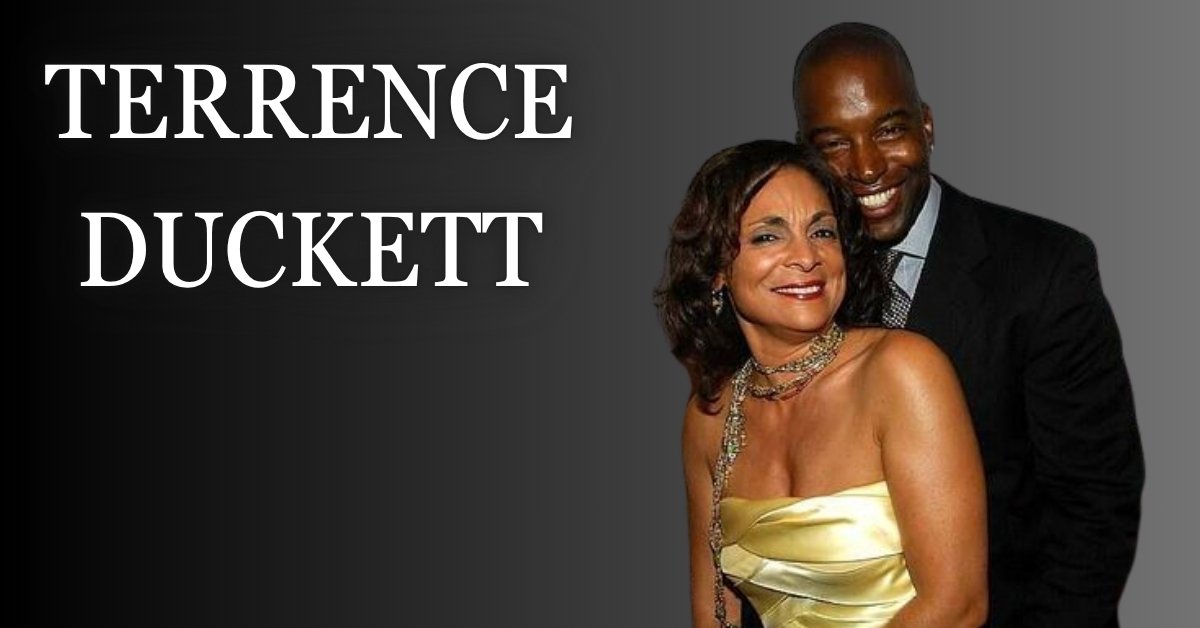
Terrence Duckett is best known for his former marriage to actress Jasmine Guy, but his story extends beyond Hollywood. Unlike his famous former wife, Duckett has largely stayed away from entertainment and public attention. His professional background has been associated with business strategy, consulting, and healthcare, while his earlier years included a notable career as a college track athlete. Public interest in Terrence Duckett continues largely because of his connection to Guy, who became widely known for playing Whitley Gilbert on A Different World. Yet looking only at their marriage leaves out an interesting part of Duckett’s life. Available records show a man who had his own academic, athletic, professional, and family experiences before and after entering the public conversation through his relationship with Guy. Who Is Terrence Duckett? Terrence Duckett is an American business professional who became publicly known through his marriage to Jasmine Guy. He has not built a career as an actor or entertainer, despite being connected to one of television’s recognizable performers. Information about his private life is relatively limited, which makes it important to separate documented facts from claims repeated by celebrity biography websites. Public professional records connect Duckett with business development, strategic partnerships, consulting, and healthcare-related work. The available professional information also lists the University of Iowa as part of his educational background. His story is particularly interesting because his life has two very different sides. One is his early athletic career, when he competed successfully in track at Iowa. The other is his later professional life, which developed away from the entertainment industry and generally outside the celebrity spotlight. Terrence Duckett’s Early Life and Education Details about Duckett’s childhood and family background are not extensively documented in reliable public sources. Several biography websites report that he was born in 1962, but information about his parents, childhood, and early personal experiences is much harder to verify independently. What is better documented is his connection to the University of Iowa. University records and historical newspaper coverage identify a Terrence Duckett competing for Iowa during the early 1980s. The Daily Iowan described him as a sophomore from Gary, Indiana, competing in sprint events for the Hawkeyes. That athletic record adds an important dimension to his biography. Duckett was not simply someone who became known because of a celebrity marriage. Before that relationship attracted public attention, he had already established himself as a competitive college athlete. His College Track Career Duckett’s track career at Iowa is one of the more clearly documented parts of his early life. Historical Iowa records show his name among the university’s top outdoor performers in the 200 meters and 400 meters. His 200-meter mark of 20.74 seconds, recorded in 1982, remained among Iowa’s top performances in the event for decades. Iowa’s historical track materials also list Duckett with a 400-meter performance of 46.74 seconds from 1983. World Athletics also lists Terrence Duckett with a 400-meter personal best of 46.35 seconds, recorded in Bloomington, Indiana, in May 1983. The same record lists a 200-meter result of 20.5 seconds from 1984, although it is marked as not legal. Iowa’s own athletics history provides another indication of his ability. In 2010, the university reported that a new 400-meter record had replaced the previous mark set by Terrence Duckett in 1984. That means his performance had remained part of the school’s record history for more than two decades. Terrence Duckett and Jasmine Guy The part of Duckett’s life that receives the most public attention is his relationship with Jasmine Guy. Guy became widely recognized through her work in television, particularly as Whitley Gilbert on A Different World. The sitcom ran from 1987 to 1993 and became an important part of American television history. Duckett and Guy married in August 1998. Their marriage lasted close to a decade, and they had one daughter, Imani. Contemporary reporting from 2008 confirms the marriage and identifies Terrence Mitchell Duckett as Guy’s husband. Unlike Guy, Duckett did not become a Hollywood personality. His connection to the entertainment industry was primarily through his family rather than through acting, music, or television work. Their Divorce The marriage between Terrence Duckett and Jasmine Guy ended in 2008. Guy filed for divorce after nearly ten years of marriage, with irreconcilable differences cited as the reason. Contemporary reports also show that the divorce involved questions surrounding custody of their daughter. In July 2008, TMZ reported that Duckett sought joint legal and physical custody of Imani. Because divorce records and personal family matters can easily become distorted when repeated online, it is useful to focus on what contemporary reporting actually documented. The central facts are straightforward: the couple married in 1998, had one daughter, and their marriage ended in 2008 after approximately ten years. What Does Terrence Duckett Do? After his athletic years, Duckett developed a professional career outside entertainment. Public professional profiles have associated him with strategic partnerships, business consulting, healthcare, and corporate strategy. The Org lists Duckett as a former Director of Strategic Partnerships at Soda & Lime and says he later worked as an independent sales consultant before becoming Chief Strategy Officer at OnPacePlus. The same profile identifies the University of Iowa among his educational background. Other professional listings have also connected him with Tickety in business and strategy roles. Because professional positions can change and online employment databases sometimes contain overlapping or outdated information, these roles are best described as reported career positions rather than assuming every listed title remains current. This career path helps explain why Duckett has remained relatively unknown outside searches connected to Jasmine Guy. His professional work has largely existed in business environments rather than in front of television cameras. Where Is Terrence Duckett Now? One of the most common questions surrounding Terrence Duckett is where he is today. The difficulty is that he has maintained a notably private lifestyle, and reliable current information about his personal life is limited. Recent online profiles continue to associate him with professional consulting and strategy work, but there is not enough … Read more